
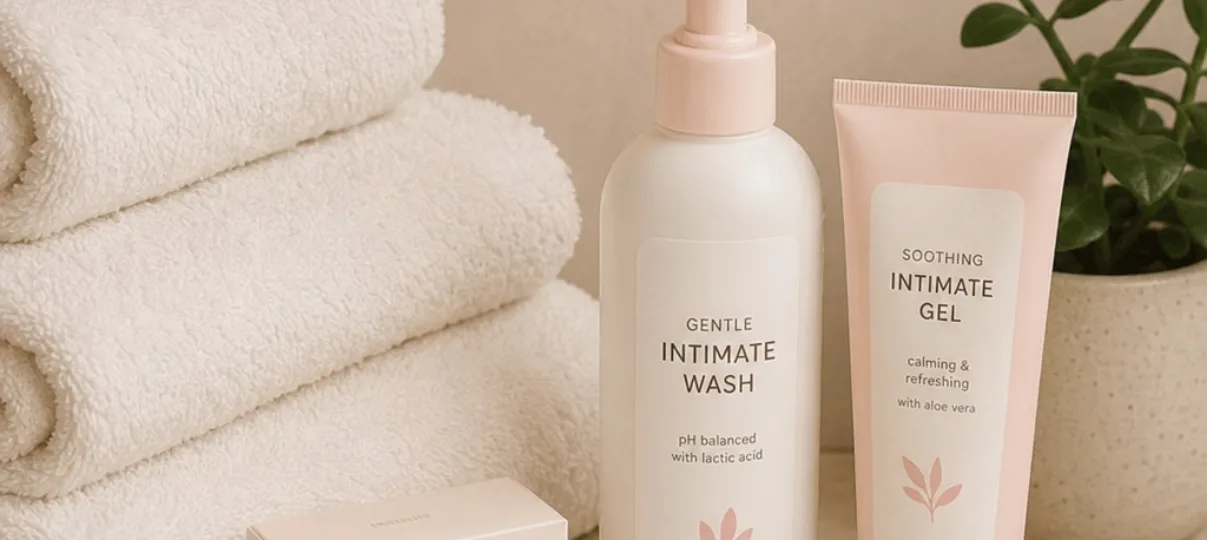
Everyday intimate care is about feeling clean, comfortable, and confident without overcomplicating your routine. The best approach is gentle, consistent, and respectful of sensitive skin, especially around the vulva and bikini area. This guide covers Intimate Care Essentials for Everyday Hygiene and Comfort, including practical personal hygiene tips, how to choose intimate wellness products, and when to keep things simple.
Konicamart, as an Intimate Care store, offers shoppers a way to explore intimate care products with everyday comfort in mind. Still, the most important part of any routine is knowing what your body actually needs, what to avoid, and how to choose products that support—not disrupt—your natural balance.
What does everyday intimate care really mean?
Everyday intimate care means keeping the external intimate area clean, dry, and comfortable while avoiding harsh habits that can cause irritation. It does not mean using strong fragrances, over-cleansing, or trying to “fix” natural body functions. A smart routine focuses on gentle washing, breathable fabrics, fresh underwear, careful product choices, and paying attention to changes in comfort, odor, discharge, or skin sensitivity.
A helpful way to think about intimate care is this: your routine should support your body’s natural protection. The vagina is self-cleaning, so internal cleansing or douching is not part of healthy vaginal care. Most daily hygiene happens externally, around the vulva, groin, and bikini line, where sweat, friction, and fabric contact are common.
That is why intimate hygiene products should be chosen carefully. The goal is not a strong scent or a “squeaky clean” feeling. The goal is comfort and care: clean skin, less friction, less dryness, and fewer avoidable triggers.
Why gentle care matters for sensitive intimate skin
The intimate area is more delicate than many other parts of the body. Skin folds, moisture, shaving, tight clothing, menstrual products, workouts, and sexual activity can all affect how the area feels during the day. When products are too harsh, the result may be dryness, itching, burning, redness, or general discomfort.
This is where sensitive skin solutions become important. Many people can use simple water for daily external cleansing, while others prefer a mild intimate wash for women or a fragrance-free cleanser designed for delicate skin. The key is to avoid turning intimate care into an aggressive cleaning routine.
Gentle care also helps you notice what is normal for you. When you use fewer irritating products, it becomes easier to identify whether discomfort is linked to a new laundry detergent, a tight pair of leggings, a new feminine hygiene product, shaving, or a change that may need professional attention.
Building a simple body care routine that supports comfort
A good body care routine does not need to be long. It should be easy enough to follow on busy mornings, after workouts, during your period, and while traveling. The more practical your routine is, the more likely you are to stay consistent.
Start with the basics. Cleanse the external intimate area gently with water or a mild product if needed. Pat dry instead of rubbing. Wear clean, breathable underwear. Change out of sweaty clothing when possible. Choose products that feel comfortable on your skin rather than products that promise an artificial standard of freshness.
Here is a simple daily routine many people can adapt:
- Cleanse gently during your shower. Wash the external area only. Avoid internal cleansing and avoid scrubbing.
- Dry carefully. Moisture trapped in folds of skin can increase discomfort, especially in hot weather or after exercise.
- Choose breathable underwear. Soft, breathable fabrics can reduce friction and help the area feel fresher.
- Change after sweating. If you work out, walk in humid weather, or sit in damp clothing, change when you can.
- Use targeted products only when needed. Intimate products should solve a real comfort need, not add unnecessary steps.
- Watch for changes. Persistent itching, burning, strong odor, pain, unusual discharge, or irritation deserves attention from a healthcare professional.
The best feminine hygiene products are not always the most complicated ones. Often, they are the products that fit smoothly into your life, feel gentle on your skin, and do not create new problems.
Choosing intimate wellness products with confidence
Shopping for intimate wellness products can feel overwhelming because there are so many labels, textures, scents, and promises. A practical approach is to shop by need. Are you looking for daily cleansing, period comfort, post-workout freshness, moisture support, hair removal aftercare, or travel convenience?
Once you know the need, look for products that are gentle and clearly described. Fragrance-free or lightly formulated options may be better for people who react easily. Products made for external use should be used externally. If a label is unclear or makes exaggerated promises, it is wise to pause.
When exploring intimate care products, consider:
- Purpose: Is it for cleansing, comfort, period care, dryness, odor management, or skin soothing?
- Use area: Is it meant for external intimate skin, not internal use?
- Skin sensitivity: Does it suit sensitive skin, or does it contain fragrance or strong ingredients you usually avoid?
- Routine fit: Will you realistically use it, or is it an unnecessary extra?
- After-feel: Does it leave the area comfortable, or does it cause tightness, stinging, or dryness?
- Packaging and convenience: Is it easy to use at home, during travel, or after exercise?
Konicamart can be a useful place to compare intimate products when you already understand your comfort goals. Instead of buying based only on trends, choose based on your skin, routine, and the type of support you actually need.
Which feminine care essentials belong in a daily kit?
Feminine care essentials should cover everyday hygiene, menstrual needs, comfort during movement, and occasional sensitivity. A daily kit does not need to be large; it should simply help you stay prepared. For many people, that means a few reliable basics at home and a smaller set for a bag, gym locker, or travel pouch.
At home, your essentials might include a gentle cleanser, soft towels, breathable underwear, preferred period products, and a mild moisturizer or soothing product for external skin if you are prone to dryness or friction. On the go, you may want spare underwear, unscented wipes for external use, a period product, and a small disposal bag.
Useful everyday items may include:
- Mild external cleanser or intimate wash for women: Helpful if plain water does not feel like enough, especially after sweating.
- Unscented external wipes: Convenient for travel or period days, but not a replacement for regular washing.
- Comfortable period products: Pads, liners, tampons, cups, or period underwear depending on personal preference.
- Soft, breathable underwear: A basic but important part of daily comfort.
- A spare pair of underwear: Especially helpful during long days, travel, or workouts.
- External soothing products: Useful for friction-prone skin, as long as they are appropriate for intimate areas.
- Clean towel or cloth: Reserved for gentle drying after bathing.
Not every feminine hygiene product is necessary for every person. Your body, cycle, lifestyle, and sensitivity level should guide your choices.
Understanding vaginal hygiene products without overdoing it
Vaginal hygiene products are often marketed with the idea that intimate areas should smell perfumed or stay “fresh” all day. In reality, a mild natural scent is normal. Sweat, discharge, menstrual blood, sex, and clothing can all change how the area smells temporarily.
The important distinction is between normal daily variation and symptoms that feel unusual for you. Products may help with external cleansing and comfort, but they should not be used to cover up persistent odor, pain, burning, or unusual discharge. Those signs may require medical guidance.
Be cautious with products that encourage internal cleansing. Douches, strong sprays, and heavily scented vaginal products can irritate many people. If you want to use vaginal care products, choose those intended for your specific need and follow the instructions carefully.
A balanced approach looks like this:
- Clean the vulva externally with water or a gentle product.
- Avoid putting cleansers, perfumes, or sprays inside the vagina.
- Change period products as directed and as needed for comfort.
- Wear breathable underwear when possible.
- Do not use fragrance to hide symptoms that are new, strong, or persistent.
- Speak with a healthcare professional if discomfort keeps returning.
This kind of routine is simple, but it is also effective because it avoids the most common mistake: doing too much.
Period care is part of intimate comfort
Menstrual days can change what your body needs. You may notice more moisture, friction, odor, cramps, or sensitivity. Your intimate care routine during your period should focus on staying clean, reducing irritation, and using products that match your flow and comfort preferences.
The best product is personal. Some people prefer pads because they are simple and external. Others like tampons, menstrual cups, or period underwear. The right choice depends on your body, activity level, access to changing facilities, and comfort with insertion.
To make period care more comfortable:
- Change pads, tampons, liners, or period underwear regularly.
- Wash your hands before and after changing products.
- Choose absorbency based on your flow rather than using the highest absorbency all the time.
- Avoid scented period products if you are prone to irritation.
- Keep the external area clean and dry.
- Carry backups during travel, work, school, or long events.
If a period product causes itching, rash, dryness, or discomfort, it may not be the right fit. Switching materials, absorbency, or product type can make a noticeable difference. Browse Period Care options to find what suits your routine.
How can you prevent irritation during workouts and busy days?
You can reduce irritation during workouts and long days by managing sweat, friction, and tight clothing. Change out of damp clothes when possible, wear breathable underwear, and avoid using strong scented products immediately after sweating. If friction is a common issue, choose softer fabrics and consider external skin-protective products designed for delicate areas.
Movement creates heat and moisture, especially around the groin and inner thighs. Leggings, cycling shorts, shapewear, and synthetic fabrics can add pressure or rubbing. This does not mean you need to avoid activewear, but it does mean your post-workout routine matters.
After exercise, rinse or shower when you can. If you cannot shower right away, change into dry underwear and loose clothing. Unscented external wipes may be helpful in the short term, but they should be gentle and used only externally. Once you get home, cleanse and dry the area properly.
For busy days, preparation helps. Keep a small pouch with a spare pair of underwear, a period product if needed, and a gentle wipe. These small personal hygiene tips can prevent discomfort before it starts.
Intimate care and hair removal need extra attention
Shaving, waxing, trimming, and other hair removal methods can make intimate skin more reactive. The skin may feel tender afterward, and tight clothing or fragranced products can make that tenderness worse. Whether you remove hair or not is entirely personal; hygiene does not require hair removal.
If you do remove hair, treat the area gently before and after. Use clean tools, avoid rushing, and do not apply harsh products to freshly treated skin. Give the skin time to calm down before using scented lotions, exfoliants, or tight clothing. Explore hair removal tools such as a bikini trimmer when you need gentle grooming options.
A simple aftercare checklist can help:
- Wear loose, soft underwear after shaving or waxing.
- Avoid heavy fragrance on freshly treated skin.
- Keep the area clean and dry.
- Do not scratch bumps or ingrown hairs.
- Use only external soothing products suitable for delicate skin.
- Pause hair removal if the skin is irritated.
Comfort should guide the routine. If a method repeatedly causes burning, bumps, or painful ingrown hairs, consider changing the method or spacing treatments further apart.
Choosing products for different life stages
Intimate care needs can shift over time. Hormonal changes, menstruation, pregnancy, postpartum recovery, stress, medications, menopause, and changes in sexual activity can all affect comfort. A product that worked well for years may suddenly feel drying or irritating, and that does not mean something is wrong with you.
During menstruating years, period products and external cleansing may be the main focus. During pregnancy or postpartum, comfort and sensitivity may become more important, and professional guidance is especially valuable. Around menopause, dryness and delicate skin may become more noticeable, so gentle moisture support may matter more.
The practical lesson is to review your routine when your body changes. Do not keep using a product simply because it used to work. Your intimate care products should serve your current comfort, not an old routine.
Common mistakes to avoid
Many intimate care mistakes come from good intentions. People want to feel clean, smell pleasant, or prevent discomfort, so they add more products. Unfortunately, more is not always better.
Avoid these common habits:
- Over-washing: Cleansing too often or too aggressively can leave skin dry and uncomfortable.
- Using strong fragrance: Perfumed sprays, wipes, pads, or washes may irritate sensitive skin.
- Internal cleansing: The vagina does not need to be washed inside.
- Ignoring product instructions: Some intimate products are designed only for external use.
- Staying in damp clothing: Sweat and moisture can increase friction and discomfort.
- Using discomfort as “normal”: Ongoing burning, itching, pain, or odor should not be ignored.
- Changing too many products at once: If irritation appears, it becomes harder to identify the trigger.
A calmer routine usually works better. When in doubt, simplify first, then add products carefully if there is a clear reason.
Creating a travel-friendly intimate care routine
Travel can disrupt your usual hygiene habits. Long flights, road trips, unfamiliar bathrooms, heat, and limited laundry access can all affect intimate comfort. A small kit can make travel easier without taking up much space.
Pack items that are practical and gentle. Choose leak-proof containers, avoid heavily fragranced products, and bring enough period care supplies if your cycle may start while you are away. If you are trying a new product, test it before the trip rather than discovering irritation while traveling.
A travel pouch may include:
- Spare underwear in a breathable fabric.
- Your preferred period products.
- Unscented wipes for external use.
- A small gentle cleanser if you use one.
- A disposal bag for used products.
- Any external soothing product your skin already tolerates.
Travel is not the best time to experiment with unfamiliar vaginal products. Keep your routine predictable and your choices simple.
A practical checklist for buying intimate products
Before adding something new to your bathroom shelf, ask whether it solves a real need. Marketing can make intimate products feel essential, but your body may only require a few well-chosen basics.
Use this checklist before buying:
- Is this product meant for the area where I plan to use it?
- Is it for external use only?
- Does it contain fragrance or ingredients I usually avoid?
- Does it support comfort, cleansing, moisture, or period care in a specific way?
- Can I introduce it one at a time so I can notice any reaction?
- Is there a simpler option that would work just as well?
- Am I using it to support hygiene or to mask a symptom that needs attention?
Konicamart offers intimate wellness options, but your best routine still starts with listening to your body. Choose products thoughtfully, use them correctly, and stop using anything that causes discomfort.
Frequently asked questions
What is the best intimate wash for women?
The best intimate wash for women is usually gentle, suitable for external use, and comfortable on sensitive skin. Many people do well with water alone, while others prefer a mild wash. Avoid strong fragrance and stop using any product that stings, burns, or causes dryness.
Are vaginal hygiene products necessary every day?
Not always. Daily external cleansing and clean underwear are often enough. Vaginal hygiene products may be helpful for specific needs, but they should not replace healthy habits or be used internally unless specifically directed by a qualified professional.
How do I keep my intimate area fresh all day?
Wear breathable underwear, change out of sweaty clothing, cleanse gently, and use period products appropriately. A natural scent is normal, so the goal is comfort and cleanliness rather than perfume-like freshness.
Can scented feminine products cause irritation?
They can for some people, especially those with sensitive skin. If you notice itching, redness, dryness, or burning after using a scented feminine hygiene product, switch to an unscented option from the Intimate Hygiene collection and monitor how your skin responds.
What are the most important feminine care essentials?
Core feminine care essentials include breathable underwear, gentle external cleansing, reliable period products, and a simple way to stay dry and comfortable during long days. Extras should be chosen based on personal needs, not pressure.
Is it safe to use intimate wipes?
Unscented wipes designed for external intimate use can be convenient, especially during travel or menstruation. Browse intimate wipes, use them gently, and avoid relying on them as your main hygiene method. If they cause irritation, stop using them.
How often should I change period products?
Change period products according to the product instructions and your flow. Comfort, leakage prevention, and hygiene all matter. If you are unsure about a product type, read the label carefully or ask a healthcare professional.
What should I do if I have itching or unusual odor?
Do not try to cover persistent itching or unusual odor with fragrance. Simplify your routine, avoid irritants, and seek medical advice if symptoms continue, worsen, or come with pain, burning, or unusual discharge.
Are vaginal care products the same as intimate care products?
Not exactly. Intimate care products can include external cleansers, wipes, period care, underwear-related comfort items, and soothing products. Vaginal care products may refer more specifically to products associated with vaginal health, so it is important to check the intended use.
Final thoughts on comfort and care
Intimate care should feel simple, respectful, and personal. You do not need a crowded shelf of vaginal products to feel clean; you need gentle habits, breathable choices, and products that match your skin and lifestyle. When something feels off, pay attention rather than masking it.
The real Intimate Care Essentials for Everyday Hygiene and Comfort are consistency, gentleness, and awareness. Build a routine that supports your body, choose intimate hygiene products carefully, and remember that comfort is a valid reason to simplify what you use every day.