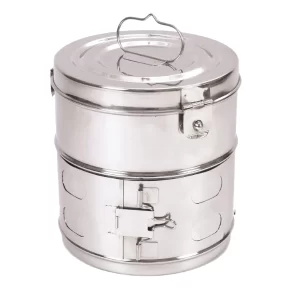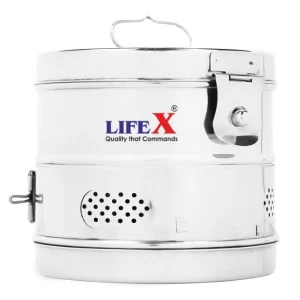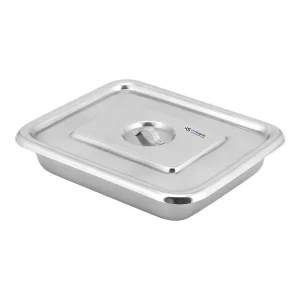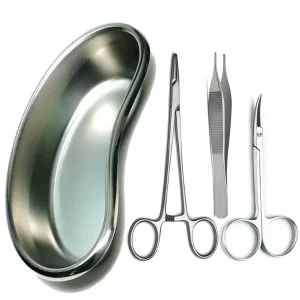
Surgical Equipment

Showing all 5 results

Surgical Equipment | Konicamart Medical Equipments Supply

Choosing the right surgical equipment is about more than filling a supply room. It affects workflow, safety, preparation, cleaning, and the confidence of the people using each instrument. Konicamart helps buyers think through the essentials, from everyday surgical tools to specialized healthcare equipment, so every purchase supports real clinical needs.

What should you look for in surgical equipment?

Good surgical equipment should match the procedure, feel dependable in use, be easy to maintain, and fit the standards of the facility buying it. Whether you are sourcing medical instruments for a clinic, hospital, training center, or veterinary practice, the goal is to choose items that support precision, hygiene, and practical daily use. A well-planned selection also reduces last-minute searching, duplicated purchases, and mismatched surgical accessories.

When browsing by product category, Surgical Equipment should be viewed as a complete working system, not just a collection of individual items. Forceps, scissors, retractors, clamps, surgical kits, drapes, and cleaning solutions all play different roles, but they work together during preparation, procedure, and post-use care. Thinking this way makes it easier to build a reliable inventory.

Surgical tools and medical instruments form the foundation

The most familiar part of any surgical setup is the hand-held instrument set. These medical tools help clinicians grasp, cut, hold, retract, probe, and control tissue with accuracy. Even for general readers, it helps to understand that small design differences can matter: the shape of a tip, the grip of a handle, and the finish of the metal can all influence comfort and control.

Common surgical tools may include:

  • Scissors and blades for cutting tissue, sutures, or dressings.
  • Forceps and clamps for holding, grasping, or controlling small structures.
  • Retractors for improving visibility in the surgical field.
  • Needle holders for suturing with steadiness and control.
  • Probes and specialty instruments for procedure-specific tasks.

For buyers, the practical question is not simply “What instruments are available?” It is “Which instruments will be used most often, by whom, and for what procedures?” A small outpatient clinic may need a different selection than a hospital department, dental unit, eye-care center, or veterinary facility.

Surgical kits make preparation more organized

Surgical kits are valuable because they group the necessary tools and accessories for a procedure or general use case. Instead of assembling every item one by one, staff can prepare more efficiently and reduce the risk of leaving something out. This is especially helpful in busy environments where consistency matters.

A kit may include selected surgical devices, hand instruments, drapes, and other surgical supplies depending on its intended purpose. Some kits are broad and general, while others are designed around a specialty. When choosing surgical kits, consider the procedure type, sterilization process, expected usage volume, and whether replacement parts or compatible accessories are easy to source.

The benefit is simple: organized equipment supports smoother preparation. It also helps newer staff understand what belongs together, which can make training and inventory checks more straightforward.

Specialized equipment supports specialized care

Not every procedure uses the same tools. Some settings require specialty categories such as ophthalmic surgical equipment, veterinary surgical equipment, or high frequency surgical equipment. These items are often selected with closer attention to procedure type, patient size, tissue sensitivity, and user training.

Ophthalmic surgical equipment, for example, is associated with delicate work around the eye, where visibility, fine control, and instrument refinement are important. Veterinary surgical equipment must support a wide range of animal sizes and treatment settings, from routine procedures to more complex interventions. High frequency surgical equipment may be used in procedures involving cutting or coagulation, depending on the device and clinical application.

For any specialized purchase, avoid guessing. Confirm compatibility, intended use, cleaning requirements, and staff familiarity before ordering. A device that looks impressive on paper is only useful if it fits the actual clinical environment.

Why do surgical accessories and drapes matter?

Surgical accessories and surgical equipment drapes matter because they help create a cleaner, more controlled, and better-organized procedure area. Drapes, covers, trays, holders, tubing, and other accessories may not attract as much attention as major surgical devices, but they support the safe and efficient use of those devices.

Think of accessories as the details that keep the procedure moving. A drape helps define the working area. A tray keeps instruments accessible. A compatible accessory helps a device function as intended. When these smaller items are missing, teams may lose time, improvise, or interrupt the flow of care.

A practical purchasing checklist includes:

  1. Procedure fit: Does the accessory match the intended procedure or equipment?
  2. Compatibility: Does it work with the surgical devices already in use?
  3. Handling: Is it easy for staff to open, place, adjust, or remove?
  4. Storage: Can it be stored clearly and safely without confusion?
  5. Reordering: Is it simple to identify and restock when supplies run low?

These questions help prevent common supply issues and keep purchasing decisions grounded in everyday workflow.

Cleaning and maintenance protect long-term value

A surgical equipment cleaner is an important part of equipment care. Instruments and devices need appropriate cleaning, handling, and storage to support hygiene and preserve function over time. The exact cleaning method should always follow the manufacturer’s instructions and the facility’s infection-control policies.

In practical terms, maintenance begins immediately after use. Instruments should be handled carefully, kept from unnecessary damage, and cleaned with products suited to the material and device type. Staff should also inspect medical instruments for wear, stiffness, corrosion, dull edges, loose parts, or other signs that an item may need servicing or replacement.

Good maintenance habits can support:

  • More consistent instrument performance.
  • Easier sterilization workflows.
  • Fewer surprises during procedure preparation.
  • Better control over replacement planning.
  • Longer practical use from selected healthcare equipment.

Cleaning is not just a back-room task. It is part of the full surgical equipment lifecycle.

Building a smarter surgical supplies list

A strong surgical supplies list should reflect how your facility actually works. Start with the most common procedures, then map the instruments, accessories, drapes, cleaners, and replacement items needed for each one. This helps separate essential purchases from items that may be useful but are not immediately necessary.

It also helps to group supplies by function:

  • Core medical tools used across many procedures.
  • Specialty surgical devices for specific departments or services.
  • Single-use or regularly replaced surgical accessories.
  • Cleaning and care products for instrument maintenance.
  • Backup items for high-use or critical tools.

This kind of planning makes ordering more intentional. Instead of reacting to shortages, buyers can maintain a balanced inventory that supports daily care without cluttering storage areas.

A practical approach to buying from Konicamart

When exploring surgical equipment through Konicamart, think in terms of purpose, compatibility, and long-term usability. The best choice is rarely just the item with the most features. It is the item that fits the procedure, supports the user, works with existing supplies, and can be cleaned and maintained properly.

Before purchasing, review the intended use, required accessories, cleaning guidance, and whether the item belongs in a general kit or a specialty category. If you are sourcing for multiple departments, involve the people who will actually use the instruments. Their feedback can reveal practical details that a product list alone may not show.

Key takeaway

Surgical equipment is a connected system of instruments, devices, accessories, drapes, cleaners, and supplies. When each item is chosen with care, the result is a more organized, practical, and dependable setup for clinical work. By focusing on real use cases and reliable product planning, buyers can build a surgical supply inventory that supports both everyday procedures and specialized care.