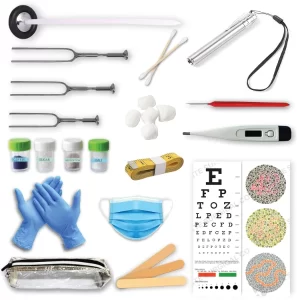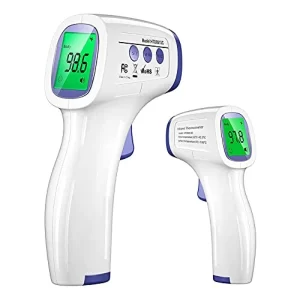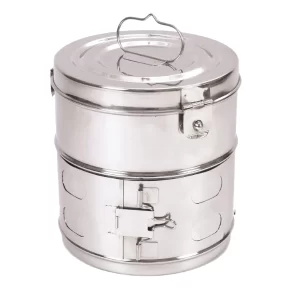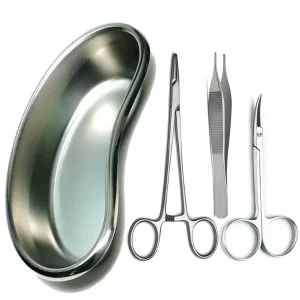
Medical Tools

Showing all 5 results

Top Medical Tools for Healthcare Professionals | Konicamart

Konicamart brings essential Medical Tools, medical supplies, and healthcare instruments into one practical shopping path for busy care environments. Whether you are stocking a clinic, refreshing a treatment room, or choosing diagnostic devices for everyday checks, this page helps you focus on the tools that support cleaner workflows, faster preparation, and confident patient-facing care.

What medical tools do healthcare professionals need most?

Healthcare professionals need dependable tools that match the care they provide every day: diagnostic devices for assessment, clinical supplies for routine tasks, surgical tools for procedural support, and medical equipment that keeps rooms ready for the next patient. The right selection reduces last-minute searching, supports consistent technique, and helps teams prepare for common patient needs without overcomplicating procurement.

For a small clinic, that may mean prioritizing blood pressure monitors, thermometers, pulse oximeters, examination supplies, and basic health tools. For a procedural setting, the focus may shift toward sterile clinical supplies, selected surgical tools, and healthcare tools that support setup, monitoring, and safe handling. Konicamart helps professionals think in categories, so purchasing becomes less reactive and more aligned with actual workflow.

Essential categories for everyday clinical readiness

Medical environments depend on more than one type of product. A consultation room, treatment bay, or mobile care kit works best when diagnostic, procedural, and support items are planned together. When one category is missing, staff may lose time, delay care steps, or rely on substitutes that are not ideal for the task.

Key categories to consider include:

  • Diagnostic devices: Tools used for measuring, checking, screening, and recording patient information during routine encounters.
  • Medical equipment: Larger or more durable items that support examinations, monitoring, treatment preparation, or room function.
  • Healthcare instruments: Professional tools used directly in care tasks, assessments, and patient handling.
  • Surgical tools: Procedure-focused instruments selected for the type of clinical work being performed.
  • Clinical supplies: Consumable or frequently used items that help teams maintain hygiene, organization, and procedure readiness.
  • Medical gadgets: Practical technology-led items that can support quick checks, portability, or more convenient use in busy settings.
  • General medical supplies: The everyday stock that keeps a healthcare space functional between appointments and procedures.

Thinking this way turns ordering into a checklist rather than a scramble. It also makes it easier to identify what should be replenished often, what should be standardized across rooms, and what should be reviewed when your services change.

Better tools support better workflows

A healthcare tool is not just a product on a shelf. It affects how quickly a room is prepared, how smoothly a clinician moves through an assessment, and how consistently staff can follow familiar steps. When diagnostic devices are easy to access and appropriate for the setting, routine measurements become less disruptive for both the patient and the professional.

The same applies to medical supplies and healthcare instruments. A well-stocked room helps staff avoid interrupting appointments to search for basic items. A thoughtfully organized supply list also supports training, because new team members can learn one clear process instead of adapting to a different setup in every room.

A practical example is a clinic preparing for a full day of patient visits. If the team has working diagnostic devices, clean examination supplies, and accessible health tools ready before the first appointment, the day starts with fewer avoidable delays. If supplies are scattered or missing, the same routine checks take longer and the patient experience can feel less organized.

How to choose the right healthcare tools for your setting

The best medical tools are the ones that fit your care model, staff workflow, available space, and expected patient volume. A compact practice may value portable medical gadgets and versatile diagnostic devices, while a higher-volume setting may prioritize durable medical equipment and standardized clinical supplies across multiple rooms. The goal is not to buy every available item; it is to choose what your team will use correctly and consistently.

Before adding items to your supply list, consider:

  1. Primary use: Identify whether the tool supports diagnosis, examination, treatment, monitoring, preparation, or documentation.
  2. Care environment: Match the item to the room, clinic, mobile kit, or procedural area where it will actually be used.
  3. Frequency of use: Prioritize high-use medical supplies and health tools that affect daily patient flow.
  4. Staff familiarity: Choose healthcare instruments that fit the skill level and routines of the people using them.
  5. Storage and access: Plan where items will live so they are easy to find, protect, clean, or restock as appropriate.
  6. Replacement planning: Separate reusable medical equipment from consumable clinical supplies so inventory stays clear.

This approach helps prevent overbuying while still protecting readiness. It also creates a more useful purchasing standard for future orders, especially when multiple staff members are involved in maintaining stock.

Practical support for clinics, practices, and care teams

Konicamart is built for healthcare professionals who want a simpler way to explore Medical Tools and related categories without sorting through unrelated consumer products. The focus is practical: help teams identify relevant medical supplies, compare product categories, and build a dependable list of healthcare tools for their day-to-day work.

This is useful for professionals who are:

  • Setting up a new consultation or treatment space
  • Replacing worn or outdated healthcare instruments
  • Reorganizing clinical supplies for smoother room turnover
  • Adding diagnostic devices for routine patient checks
  • Reviewing medical equipment needs before expanding services
  • Creating a more consistent supply list for staff use
  • Looking for medical gadgets that support practical, everyday care tasks

Instead of treating procurement as a one-time order, use Konicamart as a starting point for building a repeatable system. A clear system makes it easier to see what is missing, what is essential, and what can wait until your workflow truly requires it.

A smarter way to stock professional care spaces

Reliable care depends on preparation. When healthcare tools are selected with purpose, professionals can move from patient to patient with fewer interruptions and more confidence in the setup around them. That readiness comes from choosing the right mix of diagnostic devices, medical equipment, surgical tools, and clinical supplies for the services you provide.

Browse Konicamart to explore medical tools that support your professional environment. Start with the categories your team uses every day, then build outward toward specialized healthcare instruments and medical gadgets that make your workflow more complete.