
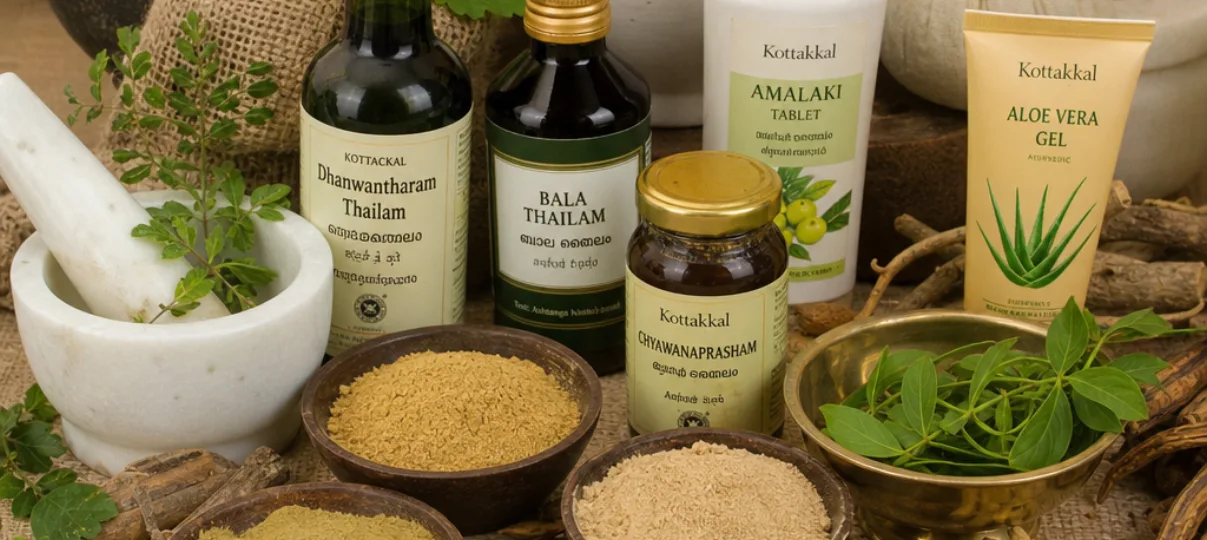
Ayurvedic products bring the wisdom of traditional medicine into everyday routines through herbs, oils, supplements, skincare, hair care, and wellness products inspired by India’s long-standing holistic health practices. For shoppers, they offer a natural way to support daily self-care, while for eCommerce brands, they represent a growing category built on trust, ingredient transparency, and practical education. This guide explores how Indian Ayurvedic Products fit into modern wellness, what to look for before buying, and how to choose products that align with your lifestyle.
What makes Ayurvedic products valuable today?
Ayurvedic products are valuable today because they focus on balance, prevention, and everyday wellness rather than quick, one-size-fits-all solutions. Many people are looking for herbal products, plant-based personal care, and natural healing approaches that feel closer to traditional routines and less dependent on harsh synthetic formulas. Ayurveda answers that interest by combining herbs, oils, minerals, diet principles, and lifestyle habits in a system that has been practiced for generations.
The appeal is also practical. A person may use indian ayurvedic hair care products for scalp massage, indian ayurvedic skin care products for gentle cleansing, or ayurvedic supplements as part of a broader wellness routine. These products can fit into small daily rituals, such as oiling hair before washing, drinking herbal blends, applying plant-based face packs, or choosing body oils for relaxation.
That said, good buying decisions matter. Not every product labeled “natural” is automatically suitable for every person. Shoppers should check ingredients, usage directions, quality standards, and whether the product is meant for cosmetic, wellness, or therapeutic support. Trustworthy Ayurvedic stores such as Konicamart can help customers explore Indian Ayurvedic Products with clearer product categorization and a more informed shopping experience.
Ayurveda in a modern wellness routine
Ayurveda is often described as a holistic wellness system because it considers the body, mind, daily habits, seasons, digestion, sleep, and emotional balance together. In simple terms, it does not treat beauty, energy, immunity, and stress as separate concerns. It encourages routines that support the whole person.
This is why organic ayurveda has become especially attractive to modern shoppers. People want products that feel rooted in nature but still suit busy lives. Instead of preparing every remedy at home, they can buy ready-to-use oils, powders, capsules, teas, soaps, creams, and balms made with familiar Ayurvedic herbs.
Ayurvedic treatments and ayurvedic remedies may include massage oils, herbal pastes, decoctions, or dietary adjustments, depending on the tradition and purpose. However, when shopping online, it is important to understand the difference between general wellness products and products intended to address specific health concerns. If you have a medical condition, take medication, are pregnant, or are buying for a child, professional guidance is always the safer path.
Key categories of Ayurvedic products
The Ayurvedic marketplace is broad, and that can make shopping confusing. A clear category-based approach helps buyers understand what each product is designed to do and how it may fit into daily life.
Hair care products
Indian ayurvedic hair care products often include oils, shampoos, masks, powders, and herbal blends. Common ingredients may include amla, bhringraj, neem, hibiscus, fenugreek, aloe vera, and coconut oil, depending on the product. These are typically used for scalp nourishment, hair conditioning, cleansing, and maintaining a consistent hair care ritual.
Hair oiling is one of the most recognizable Ayurvedic-inspired practices. It can turn a simple wash day into a calming self-care routine. When choosing a product, shoppers should look at hair type, scalp sensitivity, fragrance, texture, and whether the oil is lightweight or rich.
Skin care products
Indian ayurvedic skin care products can include herbal face washes, ubtans, creams, oils, soaps, toners, and masks. Many focus on gentle cleansing, hydration, soothing care, and maintaining a healthy-looking complexion. Ingredients such as turmeric, sandalwood, rose, saffron, neem, tulsi, and aloe are commonly associated with Ayurvedic skin routines.
The best approach is to choose according to skin type. Dry skin may prefer richer oils or creams, while oily or acne-prone skin may need lighter textures and non-comedogenic options. Patch testing is sensible, especially with concentrated herbs, essential oils, or exfoliating powders.
Herbal supplements and wellness support
Ayurvedic supplements may include capsules, powders, tablets, tonics, herbal teas, and churnas. They are often chosen for general wellness goals such as digestion support, relaxation, energy balance, or seasonal care. Popular Ayurvedic herbs can include ashwagandha, triphala, tulsi, giloy, turmeric, and shatavari, depending on the formulation.
Supplements deserve extra attention because they are taken internally. Buyers should read labels carefully, follow dosage instructions, avoid mixing multiple products without guidance, and check for allergens or interactions. A product page should clearly explain ingredients, suggested use, cautions, and who should seek professional advice before use.
Personal care and daily essentials
Ayurvedic personal care extends beyond hair and skin. It may include tooth powders and herbal toothpaste, soaps, massage oils, incense, balms, nasal oils, and bath powders. These products are often easy entry points for beginners because they can replace everyday items without requiring a major lifestyle change.
For eCommerce shoppers, bundles can be useful here. A simple “daily Ayurvedic care” set might include soap, hair oil, herbal toothpaste, and body oil. The value is not only in the items but in the convenience of building a routine from compatible products.

How do Ayurvedic ingredients support natural self-care?
Ayurvedic ingredients support natural self-care by turning everyday routines into more intentional practices. Herbs, oils, and plant extracts are selected not only for a single function but also for how they fit into a broader sense of balance, comfort, and consistency. This is why Ayurvedic products are often used regularly rather than only when a concern appears.
For example, a hair oil may combine herbs traditionally associated with scalp care and carrier oils that help spread the formula evenly. A face pack may use cleansing powders with soothing botanicals. A wellness tea may combine warming, cooling, or digestive herbs according to the intended routine.
The benefit for shoppers is choice. Someone interested in indian herbal traditions can begin with one product category and expand slowly. They do not need to adopt a full Ayurvedic lifestyle overnight. A realistic routine is more sustainable than a complicated one.
Here are practical ways to bring Ayurvedic products into daily life:
- Start with one goal. Choose hair care, skin care, digestion, relaxation, or daily hygiene rather than buying many products at once.
- Read the ingredient list. Look for recognizable herbs, clear labeling, and any potential allergens.
- Follow usage instructions. More product does not mean better results, especially with concentrated oils, powders, or supplements.
- Give routines time. Natural care is usually about consistency, not instant transformation.
- Track your response. Notice how your skin, scalp, digestion, or energy feels after regular use.
- Ask for expert advice when needed. This is especially important for internal products or ongoing health concerns.
Why ingredient transparency matters in Ayurvedic eCommerce
In online shopping, customers cannot smell, touch, or test a product before buying. That makes product information essential. For Ayurvedic products, transparency is even more important because shoppers often care about authenticity, purity, sourcing, and traditional relevance.
A helpful product page should do more than list ingredients. It should explain what the product is, who it may suit, how to use it, when to use it, what texture or taste to expect, and what precautions apply. For example, a hair oil page can mention whether it is best used before shampooing or as a light leave-in. A herbal supplement page should clearly show serving directions and cautionary notes.
From an eCommerce SEO perspective, this type of content also improves search visibility because it answers real customer questions. People search for terms like indian ayurvedic products in usa, herbal products for daily wellness, organic ayurveda skin care, or ayurvedic remedies for routine support. When a page answers those searches with useful, specific, and responsible information, it becomes more helpful for both readers and search engines.
Konicamart, as an Ayurvedic store, can build trust by organizing products clearly, using natural language, and making the shopping journey simple for customers who may be new to Ayurveda. Strong category pages, educational blogs, and detailed product descriptions all work together to reduce confusion and improve confidence.
Choosing the right Ayurvedic products online
Buying Ayurvedic products online should feel informed, not overwhelming. A good purchase starts with understanding your own needs and checking whether the product information is complete enough to support a confident decision.
Before adding an item to your cart, consider this checklist:
- Purpose: Is the product for hair, skin, digestion, relaxation, immunity support, or general wellness?
- Product type: Is it a cosmetic, food, supplement, oil, powder, or personal care item?
- Ingredient clarity: Are the herbs, oils, extracts, and additives clearly listed?
- Usage directions: Does the label explain quantity, frequency, and application method?
- Suitability: Is it appropriate for your age, skin type, hair type, dietary needs, or wellness goal?
- Cautions: Are there warnings for pregnancy, medication use, allergies, or sensitive skin?
- Authenticity signals: Does the seller provide clear product details rather than vague promises?
- Customer support: Can you ask questions before purchasing if something is unclear?
This checklist is especially useful when comparing Indian Ayurvedic Products across different sellers. Some shoppers look for traditional formulas, while others prefer modern formats such as capsules, roll-ons, creams, or ready-made kits. Neither approach is automatically better; the best choice is the one that matches your need, comfort level, and ability to use the product consistently.
The global appeal of Indian Ayurvedic Products
Ayurveda has moved far beyond local markets. Shoppers in the United States, Southeast Asia, Europe, and other regions are increasingly interested in plant-based wellness and traditional self-care systems. Searches for indian ayurvedic products in usa show how many customers want access to familiar Indian formulations even when living abroad.
This global demand has also created opportunities for suppliers, distributors, and niche retailers. A business buyer may search for authentic Indian Ayurvedic and natural products for health, beauty, and wellness categories. While search phrases vary, the intent behind them is clear: buyers want reliable access to authentic Indian Ayurvedic Products for health, beauty, and wellness categories.
For consumers, international availability means more choice, but it also requires caution. Regulations, labeling standards, ingredient restrictions, and import rules can differ by country. Customers should buy from sellers that provide clear product information and comply with relevant local requirements.
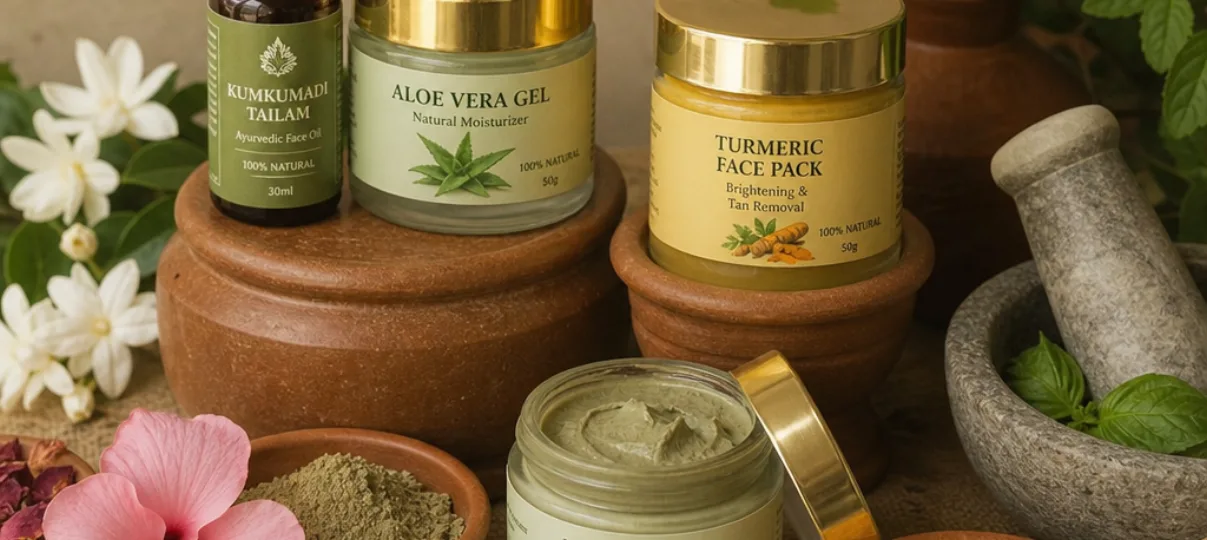
Ayurvedic products and holistic wellness habits
Products work best when they support a broader routine. Ayurveda has always emphasized daily habits, so even the best oil, supplement, or herbal blend is only one part of the picture. Sleep, hydration, food choices, movement, stress management, and consistency all influence how a person feels.
A holistic wellness routine does not need to be complicated. You might begin the morning with warm water, use a gentle herbal cleanser, apply hair oil once or twice a week, take a short walk, and wind down with a calming tea. These small habits can make wellness feel more approachable.
For skincare, consistency may mean cleansing gently instead of over-exfoliating. For hair care, it may mean regular scalp massage and choosing products that do not irritate your scalp. For supplements, it means following directions and avoiding the temptation to combine too many formulas at once.
The most helpful Ayurvedic routines are personal. What suits one person may not suit another, which is why observation matters. If a product causes irritation, discomfort, or an unexpected reaction, stop using it and seek appropriate guidance.
Common mistakes to avoid when buying Ayurvedic products
A thoughtful approach helps shoppers get more value from Ayurvedic products and reduces disappointment. Many mistakes happen because people expect natural products to behave like instant fixes or assume every herb is suitable for everyone.
Avoid these common issues:
- Buying based only on trends. A popular herb may not match your specific need.
- Ignoring the full ingredient list. Natural formulas can still include allergens, fragrances, or strong botanicals.
- Using too many products at once. If you start five new items together, it becomes difficult to know what is helping or causing irritation.
- Skipping patch tests. Skin and scalp products should be tested carefully, especially if you are sensitive.
- Overlooking dosage instructions. Ayurvedic supplements should be used exactly as directed.
- Expecting instant results. Many natural care routines rely on regular use over time.
- Confusing wellness support with medical treatment. Serious symptoms require qualified medical care.
These points are not meant to discourage buyers. They simply encourage better choices. The more informed the customer, the more satisfying the Ayurvedic shopping experience becomes.
How eCommerce content helps customers choose better
Good Ayurvedic eCommerce content should educate before it sells. Buyers want to understand what a product does, how it differs from alternatives, and whether it fits their routine. When content answers those questions clearly, it builds trust and reduces hesitation.
For an Ayurvedic store such as Konicamart, blog content can guide readers from curiosity to confident browsing. A blog about hair oils can lead naturally to product categories. A post about herbal skincare can help customers compare cleansers, masks, and oils. A guide to ayurvedic supplements can explain safe, responsible shopping habits without making unsupported health claims.
This is also where SEO and helpful content overlap. The best content does not repeat keywords mechanically. It uses terms like wellness products, ayurvedic treatments, herbal products, and natural healing only where they genuinely help the reader understand the topic. Search engines reward usefulness, but customers reward clarity, honesty, and ease.
Frequently asked questions about Ayurvedic products
What are Indian Ayurvedic Products?
Indian Ayurvedic Products are wellness and personal care items inspired by traditional Ayurveda, including hair oils, skin care, herbal soaps, toothpaste, and supplements made with plant-based ingredients.
Are Ayurvedic products safe for daily use?
Many Ayurvedic products are designed for regular routines, but safety depends on the product type, ingredients, and your personal health profile. Always follow label directions, patch test skin and scalp products, and consult a healthcare professional before using supplements if you are pregnant, nursing, taking medication, or managing a medical condition.
How do I choose the right Ayurvedic hair care products?
Start with your hair type and scalp needs. Browse indian ayurvedic hair care products and Ayurvedic Hair Oil categories, check ingredient lists for herbs like amla or bhringraj, and choose textures that match whether your scalp is dry, oily, or sensitive.
What should I look for when buying Ayurvedic skin care online?
Look for clear ingredient lists, usage instructions, and product type on indian ayurvedic skin care products pages. Choose formulas suited to your skin type, avoid overloading your routine with too many new items, and patch test concentrated herbal products before full application.
Can I buy Indian Ayurvedic Products in the USA?
Yes. Many shoppers search for indian ayurvedic products in usa to access familiar formulations online. Buy from sellers like Konicamart that provide detailed product information, category organization, and transparent labeling.
Where can I shop for trusted Ayurvedic products online?
You can explore the full Ayurvedic collection at Konicamart, including shampoos, immunity supplements, women’s wellness products, and everyday wellness products for holistic self-care.
Final thoughts
Ayurvedic products offer a meaningful way to connect traditional medicine with modern self-care. From hair oils and skin care to herbal supplements and daily wellness products, they support routines that feel intentional, natural, and personal. The key is to choose carefully, read labels, start slowly, and treat Ayurveda as part of a balanced lifestyle rather than a quick cure.
Whether you are exploring organic ayurveda for the first time or looking for trusted Indian Ayurvedic Products for your regular routine, focus on quality, transparency, and suitability. A thoughtful approach helps you enjoy the richness of indian herbal traditions while making practical choices for everyday holistic wellness. Explore the full Ayurvedic collection at Konicamart.