
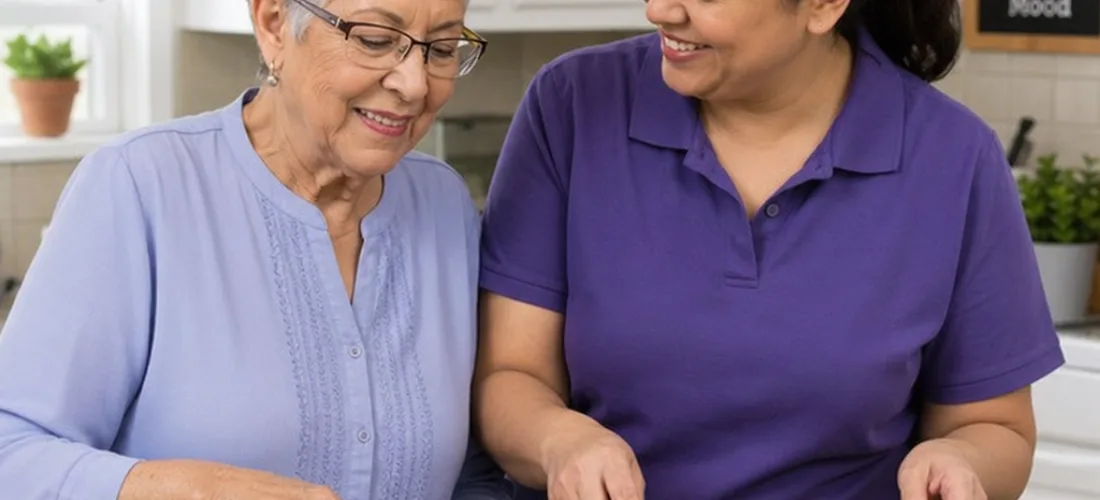
Good health is built through small, repeatable choices: eating well, moving often, caring for your mind, keeping up with personal hygiene, and knowing when extra support at home is needed. This guide brings together practical wellness tips, clear care definitions, and everyday self-care routines so you can make better decisions for yourself or someone you love. Konicamart, a Health And Personal Care Products store, supports readers who want simple, useful guidance for healthier daily living.
What does healthy living really mean?
Healthy living means creating a routine that supports your body, mind, and daily independence in realistic ways. It is not about perfection, strict rules, or copying someone else’s schedule. It is about making lifestyle choices that help you feel steadier, safer, cleaner, stronger, and more capable over time.
For one person, healthy habits may start with a 10-minute walk and a better bedtime routine. For another, it may mean managing a chronic condition, recovering after surgery, or arranging help with bathing, meals, or medication reminders. The best approach is personal: it fits your health needs, energy level, budget, home environment, and support system.
A balanced Health And Personal Care routine usually includes:
- Nutrition: regular meals, hydration, and practical nutrition guides that match your needs.
- Movement: safe activity, stretching, balance work, and realistic fitness advice.
- Mental health care: stress management, rest, connection, and support when life feels heavy.
- Personal hygiene: bathing, oral care, grooming, clean clothing, and skin care.
- Preventive habits: checkups, medication organization, fall prevention, and clean living spaces.
- Support when needed: family help, home health care, or personal care services.
Daily wellness tips that make health easier to maintain
Wellness becomes more sustainable when it is built into normal life instead of treated as a separate project. If a habit takes too much effort, requires special equipment, or feels punishing, it is less likely to last. Start with changes that are easy to repeat even on busy or low-energy days.
Build meals around simple nutrition basics
Good nutrition does not need to be complicated. A helpful starting point is to include a protein source, fiber-rich food, healthy fat, and water throughout the day. This might look like eggs with whole-grain toast, soup with beans and vegetables, yogurt with fruit, or fish with rice and greens.
Nutrition guides can be useful, but they should not replace medical advice for people with diabetes, kidney disease, heart conditions, swallowing problems, or other specific health concerns. In those cases, a clinician or registered dietitian can help personalize food choices. For everyday healthy living, focus on consistency: fewer skipped meals, more whole foods, and less reliance on highly processed snacks.
Practical meal habits include:
- Keep easy proteins available, such as eggs, yogurt, beans, tuna, tofu, or lean meats.
- Wash and cut fruits or vegetables in advance so they are easier to choose.
- Drink water before reaching for sweetened beverages.
- Plan two or three repeatable meals instead of trying to reinvent every dinner.
- Choose softer, easier-to-chew foods when appetite, dental issues, or recovery make eating difficult.
Move in ways your body can repeat
Fitness advice is most useful when it meets you where you are. You do not need an intense workout to benefit from movement. Walking, chair exercises, gentle stretching, light resistance bands, water exercise, and balance practice can all support strength and mobility.
If you are returning to activity after illness, surgery, or a long inactive period, start slowly and ask a medical professional what is safe. Pain, dizziness, shortness of breath, or unusual fatigue are signs to pause and get guidance. The goal is not to do the most; it is to build a routine your body can tolerate and your schedule can support.
A simple weekly movement plan might include:
- Three days of light cardio: walking, cycling, swimming, or seated marching.
- Two days of strength work: bodyweight movements, resistance bands, or light weights.
- Daily mobility: neck, shoulder, hip, ankle, and back stretches.
- Balance practice: standing near a sturdy surface, heel-to-toe walking, or supervised exercises.
- Rest days: recovery is part of progress, not a failure.
Make personal hygiene a health habit, not just a grooming task
Personal hygiene protects comfort, confidence, and safety. Bathing, handwashing, oral care, nail care, clean clothes, and fresh bedding can reduce irritation, odor, and infection risk. These routines can also reveal early signs of health changes, such as skin breakdown, swelling, bruises, sores, or dental pain.
For older adults or people with limited mobility, hygiene can become physically difficult or emotionally sensitive. A grab bar, shower chair, non-slip mat, handheld showerhead, or organized grooming station may make the routine safer. If bathing or dressing has become stressful, personal care aides can provide respectful help while preserving dignity.
Self-care routines that support mental health
Mental health is part of overall wellness, not a separate category. Stress, grief, loneliness, poor sleep, and burnout can affect appetite, movement, motivation, hygiene, and medical follow-through. A good self-care routine gives your mind predictable support before stress becomes overwhelming.
Start with small anchors. Wake up around the same time when possible. Get daylight early in the day. Eat something nourishing before caffeine takes over. Take short breaks from screens. Speak with someone you trust. These simple actions can create structure, especially during recovery, caregiving, retirement, or major life changes.
Helpful self-care routines include:
- A morning reset: drink water, open curtains, stretch for five minutes, and review the day.
- A stress pause: breathe slowly, unclench your jaw, relax your shoulders, and name what you need next.
- A connection habit: call a friend, join a community activity, or schedule regular family check-ins.
- A sleep routine: dim lights, reduce late-night scrolling, and keep the bedroom calm and comfortable.
- A mental health check: notice changes in mood, appetite, sleep, concentration, or interest in daily life.
If sadness, anxiety, confusion, hopelessness, or emotional distress persists, professional help matters. Self-care can support mental health care, but it should not be used as a substitute for therapy, crisis support, or medical care when symptoms are serious.
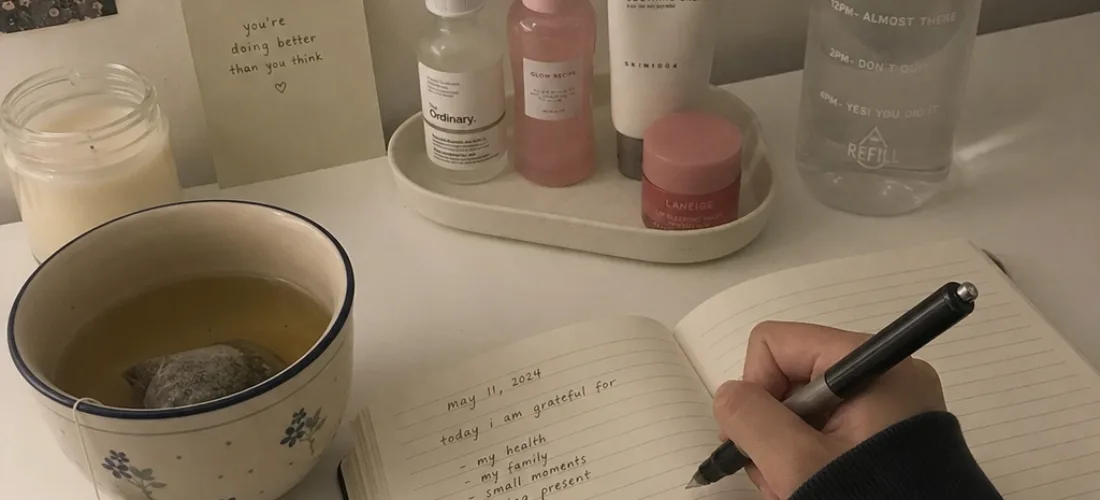
Skincare essentials for comfort and protection
Skin is easy to overlook until it becomes dry, irritated, or painful. A basic skincare routine can help maintain comfort, especially for people with sensitive skin, aging skin, incontinence, diabetes, limited mobility, or frequent handwashing. You do not need a crowded shelf; you need gentle, consistent care.
Core skincare essentials include a mild cleanser, moisturizer, sun protection during daytime exposure, and products suited to your skin type. Avoid harsh scrubbing, strongly scented products, or frequent switching if your skin reacts easily. For areas exposed to moisture or friction, barrier creams and breathable fabrics may help protect the skin.
Check skin regularly, especially around heels, elbows, under breasts, between toes, and near medical devices. Redness, open areas, unusual warmth, swelling, or slow-healing wounds should be evaluated by a qualified professional. Konicamart, a Health And Personal Care Products store, can be a practical place to think through everyday personal care products, but medical skin concerns should always be addressed by a clinician.
How are home health care and personal care different?
Home health care provides skilled medical services at home, while personal care focuses on non-medical help with daily living. This difference matters because the right support depends on whether someone needs clinical care, hands-on daily assistance, or both.
Skilled home health care may involve licensed nurses, physical therapists, occupational therapists, speech therapists, or other medical professionals. It is often used after hospitalization, surgery, illness, injury, or a change in medical condition. Services may include wound care, medication management, therapy exercises, monitoring symptoms, and teaching patients or caregivers how to manage health needs safely.
Personal care is different. Home health and personal care aides may help with bathing, grooming, dressing, meal preparation, light housekeeping, errands, mobility support, and companionship. These services are especially valuable when someone is medically stable but needs help staying safe, clean, nourished, and socially connected at home.
Consider skilled home health care when:
- A doctor has ordered nursing or therapy after illness, surgery, or injury.
- Wounds, injections, medication changes, or clinical monitoring are needed.
- There is a sudden decline in mobility, speech, balance, or daily function.
- A licensed professional must provide or supervise care.
Consider personal care when:
- Bathing, dressing, grooming, or toileting is becoming difficult.
- Meals, errands, laundry, or light housekeeping are not being managed safely.
- A person is lonely, isolated, or needs regular companionship.
- Family caregivers need reliable respite or support.
A practical routine for better Health And Personal Care at home
A good home routine reduces decision fatigue. Instead of wondering what to do every day, create a rhythm that covers the basics and leaves room for real life. Keep it flexible enough to adjust for energy levels, appointments, weather, symptoms, and caregiver availability.
Try this daily framework:
- Morning: hydrate, use the bathroom, wash face, brush teeth, take medications as directed, eat breakfast, and open curtains for daylight.
- Midday: move for 10 to 20 minutes if safe, eat a balanced meal, check in with a friend or caregiver, and review appointments or supplies.
- Afternoon: complete one household task, rest if needed, and prepare simple snacks or dinner ingredients.
- Evening: bathe or freshen up, moisturize skin, organize clothing for tomorrow, reduce screen stimulation, and follow a calming sleep routine.
- Weekly: change bedding, restock personal care items, review medications, plan meals, and check for home safety concerns.
The key is to make healthy habits visible. Put water where you sit. Keep walking shoes by the door. Store hygiene supplies within easy reach. Use pill organizers only as directed and keep an updated medication list for appointments.
Care decisions work best with a personalized plan
No checklist can replace an individualized assessment. A person’s care needs may depend on diagnosis, mobility, memory, home layout, caregiver availability, finances, transportation, and personal preferences. The safest plan is one that respects both practical needs and dignity.
If you are helping a loved one, observe what is actually happening at home. Are meals being skipped? Is bathing avoided because the shower feels unsafe? Are medications confusing? Is the person withdrawing socially? These details can guide whether family support, personal care services, skilled home health care, or a combination is appropriate.
When speaking with providers or agencies, ask clear questions about medical vs. non-medical services, licensing, referrals, care goals, safety reporting, and coverage. Coverage rules can vary by plan, state, eligibility, and medical necessity, so confirm details directly with insurers, providers, or local agencies.
Motivation grows when habits feel manageable
Many people know what they should do for health, but the hard part is continuing when life gets busy, painful, lonely, or stressful. Motivation improves when habits are small enough to complete and meaningful enough to matter. Instead of overhauling everything, choose one habit that would make tomorrow easier.
For example, if nutrition feels overwhelming, start by eating breakfast three days this week. If movement feels intimidating, walk to the mailbox and back. If skincare feels like a chore, moisturize after one daily handwashing session. If mental health feels heavy, send one honest text to someone safe.
Healthy living is not a single product, appointment, or perfect routine. It is the steady practice of noticing what your body and mind need, then responding with care. Konicamart, a Health And Personal Care Products store, encourages readers to pair everyday health care and personal care products with informed decisions, professional guidance when needed, and routines that fit real life. Explore Health And Personal Care, medical equipment, and daily health monitoring equipment when home support tools can make care safer and more consistent.
Frequently asked questions
What is the best first step toward healthier living?
Start with one habit you can repeat daily, such as drinking more water, taking a short walk, improving sleep timing, or preparing a simple breakfast. Small wins build confidence and make larger changes easier.
How often should I review my self-care routines?
Review them whenever your schedule, health, mood, mobility, or caregiving responsibilities change. A routine that worked six months ago may need adjusting after illness, stress, recovery, or a new diagnosis.
Are home health and personal care aides the same as nurses?
Not usually. Personal care aides generally help with non-medical daily tasks, while nurses provide skilled clinical care. Some people need both types of support depending on their condition and home situation.
When should I ask a doctor about home health care?
Ask after a hospitalization, surgery, fall, new diagnosis, medication change, wound, or noticeable decline in strength or function. A doctor can help determine whether skilled services are appropriate.
What personal hygiene habits matter most?
Daily handwashing, oral care, bathing or freshening up, clean clothing, nail care, and skin checks are all important. The right routine should be safe, comfortable, and realistic for the person’s abilities.
How can I support mental health at home?
Create structure, encourage social connection, support sleep, reduce isolation, and watch for changes in mood or behavior. If symptoms are persistent or severe, seek help from a mental health professional.
What should I keep in a basic personal care area?
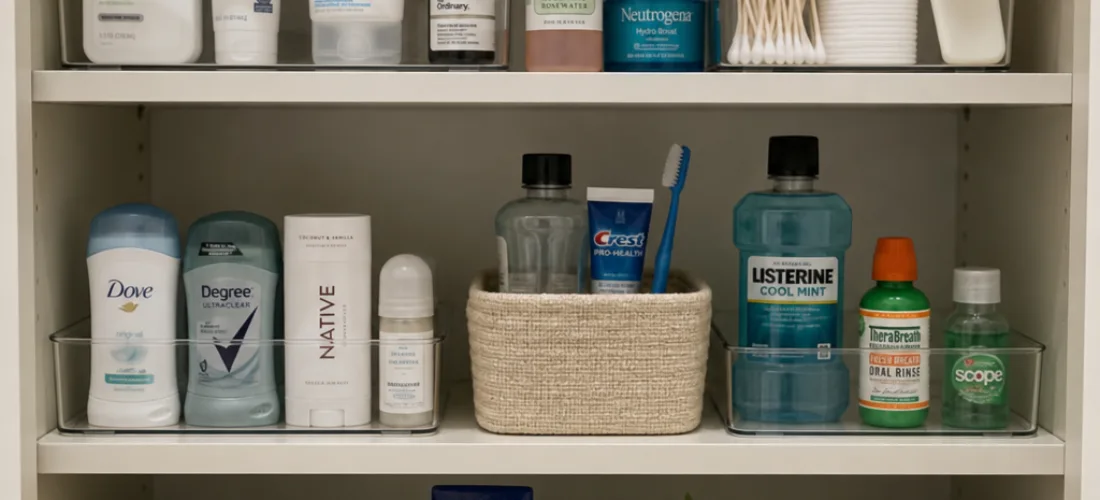
Useful items may include mild soap, toothbrush and toothpaste, moisturizer, deodorant, clean towels, nail clippers, hair care items, and any medically recommended supplies. Keep them organized and easy to reach.
How do I stay consistent with fitness advice?
Choose movement that feels safe and repeatable. Schedule it at the same time of day, keep goals modest, and focus on consistency rather than intensity.
Can personal care help family caregivers?
Yes. Personal care support can reduce caregiver strain by helping with bathing, grooming, meals, errands, and companionship. It can also give family members time to rest, work, or focus on the relationship rather than only the tasks.
The takeaway
Optimal health is created through steady choices, not perfect ones. Nutrition, movement, mental health support, personal hygiene, skincare essentials, and the right home care services can work together to protect independence and quality of life. Start with one practical change, ask for help when needs become complex, and keep adjusting your routine as life changes.
For everyday wellness support, browse Health And Personal Care at Konicamart, along with health monitoring tools such as a blood pressure monitor, stethoscope, and other healthcare devices from the medical equipment collection.