
Preparing for a baby is exciting, but shopping can quickly feel overwhelming. The best approach is to focus on practical Baby Products that support feeding, sleeping, hygiene, comfort, movement, and safe everyday routines. This guide from Konicamart, a baby products store, walks through the essentials new parents typically need, plus smart buying tips to help you avoid clutter and choose items with confidence.
What Baby Products do new parents really need?
New parents need reliable newborn supplies for sleep, feeding, diapering, bathing, clothing, travel, and basic health care. Instead of buying every cute item at once, start with infant essentials you will use daily, then add baby accessories, baby toys, and toddler products as your child grows. This keeps your budget focused and makes your home easier to organize.
A helpful rule is to shop by routine. Picture a full day with your baby: waking up, feeding, changing, dressing, soothing, going outside, bathing, and sleeping again. Each routine points to a category of baby care items that makes parenting smoother.
Start with safe sleep and nursery basics
Sleep is one of the first routines parents think about, and nursery products should be chosen for safety, comfort, and ease of cleaning. A sturdy crib, bassinet, or approved sleep space gives your baby a dedicated place to rest. Pair it with a firm mattress, fitted sheets, and simple bedding that follows safe sleep guidance.
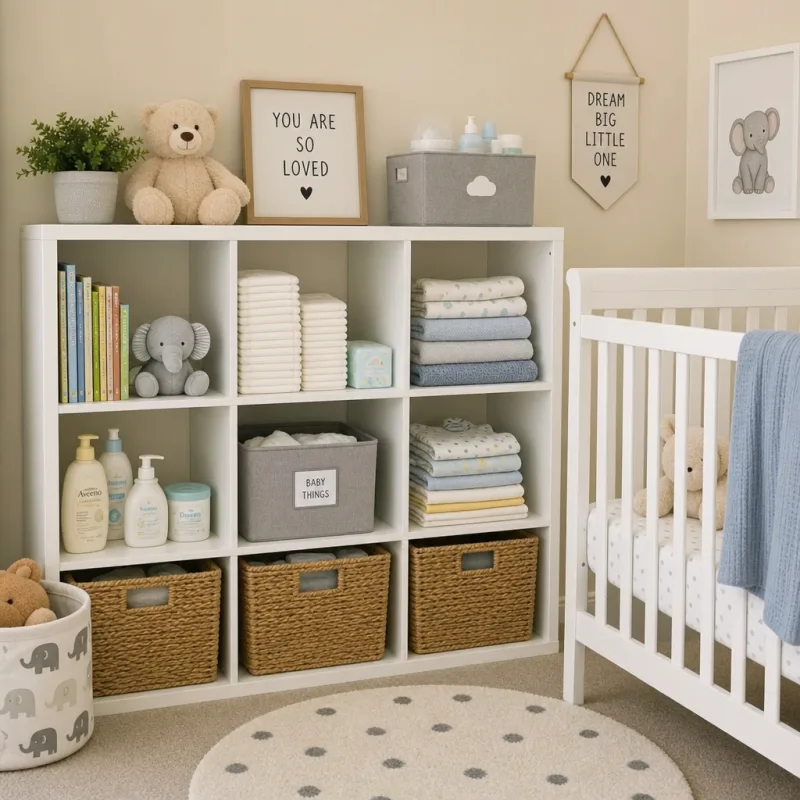
Nursery organization also matters. Babies use many small items, from wipes and diapers to lotions, blankets, and clothing. A drawer organizer, storage basket, or changing station can save time during late-night changes.
Useful nursery basics include:
- A crib, bassinet, or safe baby sleep space
- Firm mattress with fitted sheets
- Waterproof mattress protector
- Swaddle blankets or wearable sleep sacks
- Baby monitor, if useful for your home layout
- Soft night light for feeding and diaper changes
- Storage bins for diapers, wipes, and extra clothes
Avoid overcrowding the sleep area with pillows, loose blankets, or decorative items. Beautiful nursery styling is enjoyable, but the most useful baby gear is simple, washable, and easy to reach when you are tired.
Feeding essentials that make daily care easier
Whether you breastfeed, bottle-feed, or use a combination, feeding products should support comfort, cleanliness, and convenience. Newborns feed often, so small details such as easy-to-clean bottles, burp cloths, and a comfortable feeding pillow can make a noticeable difference.
For bottle feeding, choose bottles that are simple to assemble and wash. If you plan to pump, storage bags, a bottle brush, and drying rack can help keep everything organized. If you breastfeed, nipple cream, nursing pads, and a few supportive nursing-friendly clothing pieces may be helpful.
Consider keeping these feeding items ready:
- Bottles suitable for newborn feeding
- Bottle brush and drying rack
- Burp cloths and bibs
- Nursing pillow or supportive cushion
- Formula container or breast milk storage supplies, depending on your feeding plan
- Sterilizing solution or equipment if recommended for your situation
- High chair or feeding seat later, when your baby is developmentally ready
As your baby grows, feeding products shift from newborn supplies to toddler products such as spill-resistant cups, suction bowls, silicone bibs, and easy-grip utensils. Buying in stages helps you choose what matches your child’s actual development instead of guessing months ahead.
Diapering and changing supplies for everyday comfort
Diaper changes happen many times a day, so this category deserves careful planning. You do not need a complicated setup, but you do need clean, accessible, and skin-friendly baby care items.
Start with diapers in a newborn or early size, but avoid buying too many of one size before you know your baby’s growth pattern and fit. Keep wipes nearby, along with diaper cream, a changing mat, and disposal bags or a diaper pail. A portable changing pad is also useful for travel, car trips, and visits with family.
A simple diapering checklist includes:
- Diapers in an appropriate starting size
- Gentle baby wipes
- Diaper rash cream
- Changing pad or waterproof mat
- Hand sanitizer for outings
- Small wet bag or disposable diaper bags
- Extra baby clothing near the changing area
Look for products that are easy to open with one hand and gentle on sensitive skin. Practical design matters because parents often handle changes while holding a sleepy or fussy baby.
Baby clothing that balances comfort and convenience
Baby clothing should be soft, breathable, and easy to change. New parents are often tempted to buy too many tiny outfits, but everyday pieces are usually the most valuable. Think bodysuits, sleepers, socks, hats, and layers that suit your climate.
Choose clothing with simple closures, stretch, and easy access for diaper changes. Babies can go through several outfits in a day, so washable fabrics are more useful than delicate pieces that require special care. A few special outfits are lovely, but daily comfort should lead your shopping list.
Good starter clothing items include:
- Short-sleeve and long-sleeve bodysuits
- Footed sleepers or sleep gowns
- Soft pants or leggings
- Socks or booties
- Lightweight hats for newborn warmth
- Sweaters or outer layers for cooler weather
- A few larger sizes for quick growth
When comparing child products in the clothing category, check the fabric feel, seams, stretch, and washing instructions. The best baby clothing supports movement and makes dressing less stressful for both parent and child.
Bathing, grooming, and baby hair products
Bath time can be calming when you have the right items within reach. A baby bathtub or bath support, gentle wash, soft towels, and washcloths create a safer and more comfortable routine. Since babies can get cold quickly after a bath, prepare clothing and a towel before you start.
Grooming is another small but important part of care. Baby nail clippers or a gentle file, a soft brush, and mild baby hair products may be useful depending on your baby’s hair and scalp. Keep products simple and avoid using too many scented formulas at once, especially in the early months.
Bath and grooming essentials often include:
- Baby bathtub or secure bath support
- Mild baby wash or cleanser
- Soft hooded towels
- Gentle washcloths
- Baby lotion, if needed
- Soft hair brush or comb
- Baby nail clippers or file
- Mild baby hair products for gentle grooming
The goal is not to build a crowded shelf. It is to create a calm routine using baby care items that are gentle, practical, and easy to rinse, dry, and store.
Which baby gear is worth buying first?
The baby gear worth buying first is the gear that supports safe transport, comfortable rest, and daily movement. A car seat, stroller, baby carrier, and diaper bag are common priorities because they help you leave the house prepared and keep your baby secure during everyday activities.
A car seat is one of the most important purchases for families who travel by car. Choose one that suits your baby’s age, weight, and your vehicle, and always follow the installation instructions carefully. A stroller should match your lifestyle, whether you need a compact option for city errands, a sturdy design for longer walks, or a travel-friendly fold.
A baby carrier can be helpful at home and outside, especially when your baby wants closeness while you need free hands. A well-organized diaper bag also reduces stress because you can keep diapers, wipes, clothing, bottles, and small baby accessories ready for outings.
When choosing gear, ask yourself:
- Will this fit our home, car, and daily routine?
- Is it easy to clean after spills or diaper accidents?
- Can one adult use it comfortably?
- Does it adjust as the baby grows?
- Do we need it now, or is it better for a later stage?
These questions help prevent impulse purchases and keep your focus on products that solve real parenting needs.
Baby toys and early development items
Baby toys do not need to be complicated to be useful. In the early months, babies benefit from high-contrast visuals, soft textures, gentle sounds, and safe items they can explore with their hands. As they grow, toys that encourage reaching, rolling, sitting, grasping, and problem-solving become more relevant.
For newborns, consider soft rattles, cloth books, play mats, and simple sensory toys. For older babies, stacking cups, teething toys, soft blocks, and activity toys can support curiosity and coordination. Always choose toys that are appropriate for the child’s age and avoid small parts for babies who put items in their mouths.
A balanced toy selection might include:
- Soft rattles and sensory toys
- Tummy time mat
- Cloth or board books
- Teethers
- Soft blocks
- Stacking cups
- Musical toys with gentle sounds
Rotate toys instead of offering everything at once. A smaller selection keeps playtime fresh and makes cleanup easier.
Health, safety, and small baby accessories
Some essential products are small, but they can make a big difference during everyday care. A digital thermometer, nasal aspirator, medicine dispenser, and first-aid basics help parents respond calmly to common situations. These items are not exciting, but they are worth having before you need them.
Safety products become more important as your baby starts rolling, crawling, and pulling up. Outlet covers, cabinet locks, corner guards, and safety gates may not be urgent on day one, but planning ahead helps you prepare your home before your child becomes mobile.
Helpful accessories and safety items include:
- Digital thermometer
- Nasal aspirator
- Baby-safe nail care tool
- Pacifiers, if you choose to use them
- Teething accessories for later months
- Outlet covers and cabinet locks
- Safety gates for stairs or restricted areas
- Laundry bags for tiny socks and mittens
Small items are easy to overlook when shopping for larger Baby Products, but they often become the things parents reach for most often.
A practical shopping strategy for new parents
Shopping for infant essentials is easier when you separate immediate needs from later needs. Your newborn needs sleep, feeding, diapering, bathing, basic clothing, and travel essentials first. Items for sitting, crawling, self-feeding, and toddler play can usually wait.
Before adding products to your cart, review your space, lifestyle, and support system. A parent in a small apartment may value compact folding gear, while a family that travels often may prioritize portable accessories. There is no single perfect list for every household.
Use this simple buying framework:
- Buy daily-use items first. Focus on diapers, wipes, feeding supplies, clothing, and sleep basics.
- Choose easy-care materials. Washable, wipeable, and durable products save time.
- Avoid overbuying one size. Babies grow quickly, and fit can vary by brand.
- Shop by stage. Add toddler products later when your child is ready for them.
- Check product details. Size, age suitability, materials, and cleaning instructions all matter.
- Keep duplicates strategic. Extra burp cloths are useful; extra bulky gear may not be.
For parents who want a focused place to browse baby care items, Konicamart is a baby products store where shoppers can explore everyday essentials by category.
Common mistakes to avoid when buying newborn supplies
Many new parents buy too much too soon. It is understandable: baby shopping is emotional, and every product looks useful when you are preparing for a new arrival. However, a thoughtful list usually works better than a crowded nursery.
Avoid these common mistakes:
- Buying too many newborn-size clothes before knowing your baby’s size
- Choosing products mainly because they look cute rather than because they are practical
- Forgetting cleaning and storage requirements
- Purchasing bulky gear without measuring your space
- Stocking up heavily before testing what your baby tolerates
- Ignoring age and size recommendations
- Buying advanced toddler products before basic infant needs are covered
A good baby product strategy is flexible. Start with the essentials, learn your baby’s preferences, and upgrade your setup as routines become clearer.
FAQs about baby products
How many baby care items should I buy before the baby arrives?
Focus on enough supplies for the first few weeks: diapers, wipes, clothing, feeding items, bathing basics, and a safe sleep setup. You can add more once you understand your baby’s size, feeding routine, and daily needs.
Are baby accessories necessary or optional?
Some baby accessories are very useful, such as a diaper bag, changing mat, pacifier case, or stroller organizer. Others are optional and depend on your lifestyle. Prioritize accessories that save time, improve organization, or make outings easier.
When should parents start buying toddler products?
Most toddler products can wait until your child is closer to that stage. Items such as training cups, toddler utensils, walking shoes, and activity toys are best chosen when they match your child’s development.
How can I choose safe baby toys?
Choose toys that match your child’s age range, are made from baby-appropriate materials, and do not include small detachable parts. For young babies, soft textures, simple shapes, and easy-to-clean surfaces are usually practical choices.
The smartest baby shopping list is practical, not oversized
The best baby shopping plan begins with real routines, not guesswork. Prioritize sleep, feeding, diapering, clothing, bathing, travel, safety, and simple play, then add more products as your child grows. With a clear list and a stage-by-stage mindset, parents can choose useful child products without feeling overwhelmed.
Konicamart, a baby products store, can support that process by helping parents browse essentials in one focused category. Start with what your baby will use every day, keep comfort and safety at the center, and build your collection thoughtfully over time.