
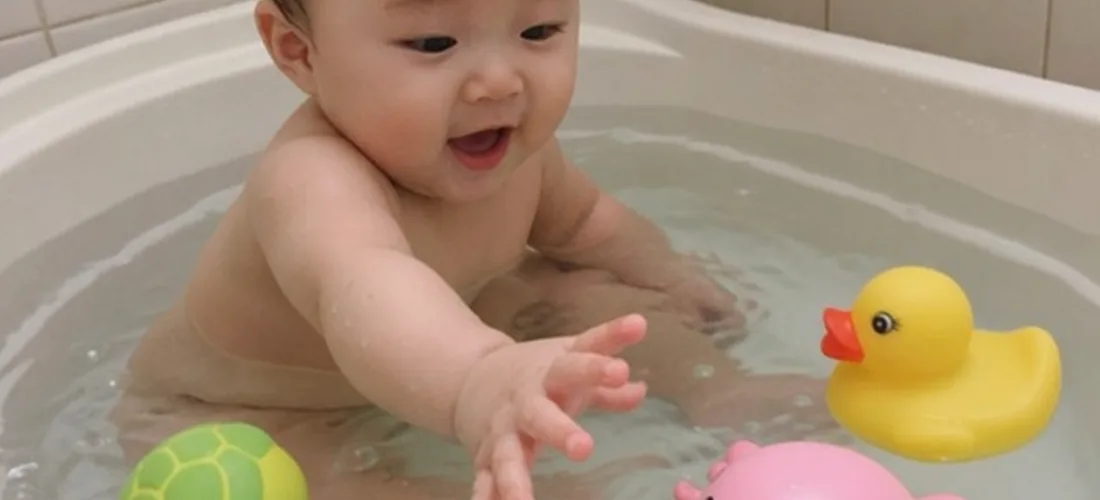
Baby Bath Toys can turn an ordinary rinse into a calm, playful routine that helps babies feel more comfortable in the tub. The best choices are simple, easy to clean, age-appropriate, and enjoyable without making bath time overstimulating. Whether you are shopping for infant bath toys, toddler bath toys, or practical bathing accessories, the goal is the same: make water feel friendly while keeping safety and hygiene first.
At Konicamart, a Baby Products store, parents can think of bath play as part of a bigger routine rather than a random pile of toys. A few well-chosen pieces can support splashing, grasping, pouring, floating, and early sensory exploration while still fitting neatly into your bath time essentials.
What makes a baby bath toy worth choosing?
A good baby bath toy is one that matches your child’s age, can be cleaned properly, and encourages gentle interaction with water. It does not need to be noisy, complicated, or overly colorful to be useful. In fact, many recommended baby bath toys are simple floating toys, cups, soft squeeze-free shapes, or baby splash toys that let little ones explore cause and effect.
For babies, bath play is not just entertainment. It can help them notice temperature, movement, sound, texture, and balance in a relaxed setting. When a toy floats away, pours water, or bobs back up, your baby gets a tiny lesson in how the world works. That is why bath toys for baby routines should be chosen with the same care as towels, washcloths, and other bathing accessories.
Bath play supports comfort, curiosity, and routine
Bath time can feel unfamiliar to babies, especially in the early months. Warm water, slippery surfaces, echoing bathroom sounds, and new sensations can be a lot to process. Safe bath toys can create a friendly focus point so your baby has something gentle to watch, touch, or reach for while you handle washing.
As babies grow, water toys can also encourage simple developmental skills. A baby may first track a floating duck with their eyes, then reach for it, then pass it from one hand to the other. Later, toddlers may fill and dump cups, line up childrens bath toys, or pretend a floating animal is swimming across the tub. These small actions support coordination, imagination, and confidence around water.
Age-appropriate bath toys make all the difference
Not every toy belongs in every stage. A newborn, a 6-month-old, and a toddler use bath toys in very different ways. Choosing based on age helps you avoid frustration, clutter, and items that are not yet useful.
Newborn bath toys should be simple and parent-led
For the earliest stage, bath toys for newborn babies are less about active play and more about comfort. Newborns usually need a calm environment, secure handling, and minimal distraction. If you are searching for newborn bath toys, think soft visual interest rather than hands-on play.
Newborn bath toys might include a soft floating shape placed where baby can see it, a gentle rinse cup, or a washable bath book used by a parent. Avoid anything that adds too much noise, requires gripping, or has small parts.
Infant bath toys encourage reaching and splashing
As babies gain head control, hand coordination, and curiosity, infant bath toys become more engaging. Bath toys for infants can include lightweight floating toys, textured shapes, pour cups, and soft bath books. These options let babies practice reaching, tapping, grasping, and watching water move.
Parents often look for baby bath toys 6 months and up because this is when many babies begin sitting with support or showing more active interest in their surroundings. Always follow the age guidance on the product packaging, and remember that supervision matters more than any toy feature.
Toddler bath toys bring imagination into the tub
Bath toys for toddlers can be a little more interactive. Toddlers enjoy scooping, pouring, sorting, stacking, and pretend play. Toddler bath toys may include boats, nesting cups, floating animals, bath-safe blocks, or wall pieces that stick with water.
This is also the age when children may want to take charge of the routine. Giving them a small choice, such as “boat or cups tonight,” can reduce resistance and build cooperation.
A practical checklist for choosing safe bath toys
The phrase safe bath toys should mean more than cute and waterproof. Bath toys live in a warm, wet environment, so they need to be easy to inspect, wash, and dry. Use this checklist when choosing bath toys for babies:
- Match the toy to the child’s age. Check the manufacturer’s age recommendation and avoid toys with loose or tiny parts.
- Choose easy-clean designs. Smooth surfaces and open designs are usually easier to rinse and dry than toys that trap water inside.
- Be cautious with squeeze toys. If water can enter but cannot fully drain or dry, the toy may become difficult to keep clean.
- Avoid sharp edges or hard corners. Babies move quickly and unpredictably in the tub.
- Keep materials practical. Look for toys intended for bath use, not regular playroom toys.
- Limit the number of toys. A few bath time essentials are easier to manage than a crowded tub.
- Inspect often. If a toy cracks, smells odd, or becomes hard to clean, replace it.
- Supervise every bath. Toys can make bathing more fun, but they never replace hands-on attention.
A Baby Products store such as Konicamart can help parents think in categories: newborn comfort items, infant-friendly sensory pieces, toddler pretend-play toys, and useful bathing accessories.
Popular types of baby bath toys and how to use them
Floating toys build tracking and reaching skills
Floating toys are classic for a reason. Babies can watch them move across the water, reach toward them, and learn that some objects stay on top of the water. Ducks, boats, fish, and simple floating rings are common options from the Baby Bath Toys collection.
Cups and pour toys teach cause and effect
Simple cups are among the most useful bath toys for infants and toddlers. Babies enjoy watching water fall, while toddlers may pour from one cup to another again and again.
Soft bath books add language to the routine
Water-safe books can be helpful for babies who enjoy looking at pictures. A soft bath book about animals, colors, or familiar objects can create a peaceful pause during washing.
Bath-safe wall toys invite toddler creativity
Some toddler bath toys are designed to stick to the tub wall when wet, such as foam shapes, letters, numbers, or simple scenes. Use them in small sets for easier cleanup.
How many bath toys does a baby really need?
Most babies only need a small rotation: one or two floating pieces, a rinse cup, and perhaps a soft book or textured item. A helpful starting set may include:
- One floating toy for watching and reaching.
- One or two pouring cups for rinsing and sensory play.
- One soft bath book for language and calm interaction.
- One toddler-friendly pretend item once your child is old enough.
- A mesh drying bag or open basket to keep items from staying wet.
Hygiene habits keep bath toys fresher for longer
Bath toys spend a lot of time in warm water, soap, and humidity. After each bath, rinse toys with clean water, shake off extra moisture, and place them somewhere with airflow. Once in a while, give bath toys a deeper clean based on the product’s care instructions.
Bath toys to approach with extra caution
Baby bath bombs with toys can be tempting but may be too much for infants. Battery-operated bath toys need careful inspection. Also be mindful of toys that spray water, trap water, or have many seams.
Bath time essentials beyond toys
Toys are only one part of a good bath setup. Useful bath time essentials may include a baby tub, soft towel, gentle washcloth, rinse cup, baby wash, clean diaper and clothing, and a safe place to dry bath toys afterward.
Smart ways to make bath time more fun
Try naming and narrating what toys do, practicing gentle splashing with baby splash toys, creating a mini routine, offering two choices to toddlers, singing a short bath song, and using simple pretend play.
Parents who search for bath toys baby or childrens bath toys are often looking for simple ways to make the tub feel less like a task and more like a warm, connected moment.
Common mistakes parents can easily avoid
Common mistakes include buying too many toys at once, keeping worn-out toys too long, and choosing toys only by appearance rather than function, safety, and ease of cleaning.
Frequently asked questions about baby bath toys
What are the best Baby Bath Toys for beginners?
Start with simple floating toys, a lightweight rinse cup, and a soft bath book from the Baby Bath Toys range at Konicamart.
Are bath toys for infants different from toddler toys?
Yes. Infant bath toys are usually simpler and focused on sensory exploration. Toddler bath toys often include pouring, stacking, sorting, or pretend-play features.
Can newborns use bath toys?
Newborns do not need much toy-based play. If you use bath toys for newborn care, choose one soft visual item or a gentle rinse cup and keep the routine calm.
What should I look for in baby bath toys 6 months and up?
Look for age-appropriate baby bath toys 6 months and up that support reaching, grasping, splashing, and watching water move.
How do I know if a toy is safe for bath time?
Check that it is intended for bath use, has no small detachable parts, feels smooth, and can be cleaned and dried properly. Browse safe bath toys at Konicamart.
Are water toys with holes a good idea?
They can be fun, but may be harder to dry inside. Inspect and clean them often, and replace them if they become difficult to maintain.
How often should I replace bath toys?
Replace any item that cracks, traps residue, smells unpleasant, or no longer dries well.
Are baby bath bombs with toys suitable for infants?
They are usually better approached with caution. Always read the label, check the age recommendation, and be careful with scented or fizzy products around babies.
How can I store bath toys neatly?
Use an open draining basket, mesh bag, or bath caddy that allows airflow. Avoid storing wet toys in closed bins.
What if my baby does not like bath toys?
That is normal. Try one simple toy at a time, keep baths short and calm, and focus on comfort before play. Explore the full Baby Products collection at Konicamart.
Final takeaway
Baby bath toys should make bath time easier, happier, and more engaging without adding stress. Choose age-appropriate pieces, keep the collection small, clean them regularly, and let your child’s reactions guide what stays in the routine.
For parents building a practical bath setup, Konicamart offers a Baby Products store perspective: focus on comfort, safety, cleanliness, and play value first. Explore Baby Bath Toys, baby toys, and bath time essentials to build a warm routine your baby recognizes, enjoys, and grows with.