What medical equipment can you buy online for USA delivery?
You can buy medical equipment online for USA delivery across a wide range of care needs, from daily health monitoring equipment for home use to clinical equipment used in professional environments. The right choice depends on who will use the device, how often it will be used, the level of accuracy required, and whether the item needs to support routine care, diagnostics, mobility, patient observation, or treatment preparation. Konicamart offers Medical Equipment as an online store category designed to make browsing simpler for people who need practical healthcare devices without confusing technical overload.
Medical equipment is not one single type of product. A caregiver shopping for a blood pressure monitor has different needs than a clinic sourcing examination tools, and a facility reviewing hospital equipment must think about workflow, cleaning, storage, and compatibility. That is why a good online shopping experience should help you narrow your options by use case, not just by product name.
A clearer way to shop for healthcare devices
Medical purchasing often starts with a problem: a patient needs to be monitored more consistently, a care team needs reliable supplies, or a clinic needs replacement medical devices that fit its daily routine. Online product pages can feel overwhelming when every item looks important. The better approach is to begin with the setting, then match the equipment to the task.
For home care, portability, ease of reading, storage space, and simple setup usually matter most. For clinics, repeat use, cleaning requirements, measurement consistency, and staff workflow become more important. For larger facilities, buyers may also need to involve a medical equipment technician, facilities team, or clinical lead before choosing devices that connect with existing processes.
Use these questions before you add items to your cart:
Who will use the product: a patient, caregiver, nurse, technician, or physician?
Where will it be used: at home, in a clinic, in a hospital room, or while traveling?
Is the item for monitoring, diagnosis, treatment support, mobility, storage, or general care?
Does the user need a portable option, a tabletop device, or a more permanent setup?
Are there facility rules, clinician instructions, or documentation requirements to follow?
These simple checks reduce guesswork and help you focus on equipment that is appropriate for the intended environment.
Medical equipment categories that support everyday care
A strong medical equipment selection should cover both routine needs and more specialized care settings. Some shoppers need a single device for home monitoring, while others need a broader combination of medical supplies and clinical equipment. Understanding the main categories makes it easier to search, compare, and choose with confidence.
Daily health monitoring equipment
Daily monitoring tools help patients and caregivers keep track of common health indicators between appointments or during ongoing care. These may include blood pressure monitors, pulse oximetry devices, thermometers, scales, glucose-related supplies, and other portable medical devices used for regular observation. The main benefit is convenience: readings can be taken at home or in a care setting when consistent tracking is needed.
When comparing monitoring equipment, look for readable displays, suitable cuff or sensor sizing, simple controls, and clear instructions. If the device will be used by an older adult or a caregiver with limited technical experience, ease of use is especially important. If readings will be shared with a clinician, choose equipment that supports the type of tracking recommended by the healthcare provider.
Diagnostic equipment and medical tools
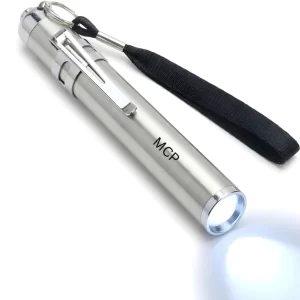
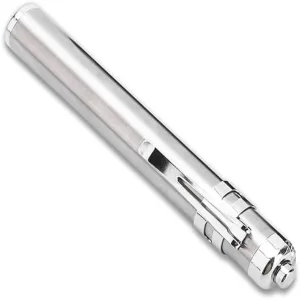
Diagnostic equipment supports examination, screening, and assessment. This may include stethoscopes, otoscopes, examination lights, reflex hammers, thermometers, and other medical tools used to gather information during care. In professional settings, these items need to be dependable, easy to clean, and suited to repeated use.
For home users, diagnostic products should be chosen carefully and used according to professional guidance. A device can help collect useful information, but it does not replace medical judgment. If a reading seems unusual, symptoms are changing, or results are difficult to understand, the safest next step is to contact a qualified healthcare professional.
Patient monitors and clinical equipment
Patient monitors and related clinical equipment are used when ongoing observation is important. Depending on the setting, this may include devices for tracking vital signs, supporting bedside workflows, or helping staff monitor patient status during care. Buyers should pay close attention to the intended use, display type, accessories, power source, and compatibility with existing procedures.
For clinics and facilities, it is wise to involve the people who will use or maintain the equipment before purchasing. Nurses may notice workflow needs that a procurement team might miss. A medical equipment technician may also help confirm whether a device fits the facility’s setup, cleaning process, or maintenance expectations.
Surgical instruments and procedure support items
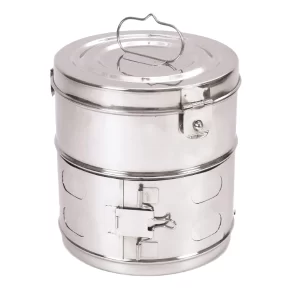
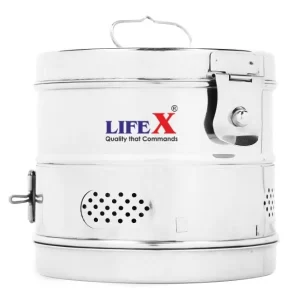
Surgical instruments and procedure-related supplies require careful selection because they may be used in controlled clinical environments. Buyers should review product descriptions closely, including material, intended use, size, and care requirements. Browse surgical equipment options such as dressing drums, sterilizer containers, and suturing kits when outfitting procedure-ready spaces.
Not every surgical tool is appropriate for every environment. A training program, outpatient clinic, hospital department, and private practice may each have different requirements. When in doubt, confirm specifications with the responsible clinical professional before ordering.
Built for home caregivers, clinics, and medical buyers
The people shopping for medical equipment in USA markets often have very different priorities. A family caregiver may want a simple portable device for daily checks. A clinic manager may need consistent replacement supplies. A facility buyer may be comparing hospital equipment for multiple rooms while balancing staff preferences and maintenance requirements.
This page is designed to support several types of shoppers:
Home users and caregivers who need healthcare devices that are practical, understandable, and suitable for routine monitoring or support.
Care coordinators and facility buyers who need to compare medical devices by purpose, setting, accessories, and operational fit.
Technicians and support staff who may need to confirm parts, device requirements, or maintenance considerations before a purchase.
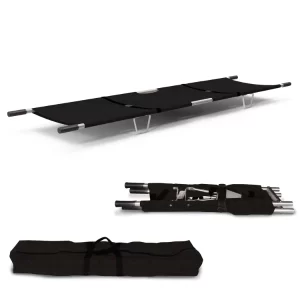
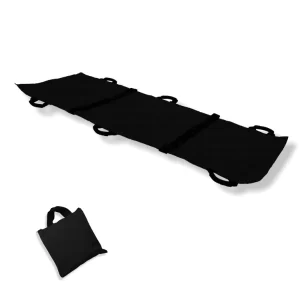
Mobile care providers who need portable medical devices such as stretchers or compact monitors that are easy to move, store, and set up between visits.
Shopping online does not mean rushing the decision. It means having a more organized way to compare products, review details, and decide what belongs in your care environment.
Practical checks before choosing medical devices
The best medical device is not always the most complex one. It is the one that fits the user, the task, and the setting. A compact monitor may be ideal for a home caregiver, while a clinic may need a more durable option that multiple staff members can use throughout the day.
Before buying, review the details that affect real-world use:
Intended use: Confirm whether the item is made for home care, professional care, screening, monitoring, mobility, or procedure support.
User skill level: Choose products that match the experience of the person operating them.
Size and fit: Check dimensions, cuff sizes, probe types, instrument sizes, or accessory requirements when applicable.
Power and portability: Consider batteries, charging, cords, travel cases, and storage.
Cleaning and care: Review how the product should be cleaned, stored, and handled between uses.
Accessories and supplies: Make sure you have the compatible consumables, cables, sensors, replacement parts, or protective items needed.
Documentation needs: For professional settings, confirm whether the product information supports your internal purchasing or compliance process.
These checks help prevent common problems, such as buying a device without the right accessory or choosing equipment that is too difficult for the intended user.
Why organized product information matters
Medical equipment decisions carry more responsibility than ordinary shopping. A product may be used during a stressful moment, by someone with limited time, or in a setting where consistency matters. Clear product information helps shoppers understand the difference between similar items and avoid relying on assumptions.
Good product details should help you answer practical questions: What does the item do? Who is it designed for? What comes with it? What additional supplies may be needed? How should it be handled or stored? When online listings make these points easier to review, customers can make better choices and reduce delays.
Konicamart helps customers browse Medical Equipment with the goal of connecting everyday needs to relevant product categories. Whether you are comparing diagnostic equipment for a clinic or looking for daily health monitoring equipment for a family member, the most useful path is one that keeps the purpose of the product front and center.
A simple example of choosing the right equipment
Imagine a caregiver helping a parent monitor blood pressure at home. The caregiver may first search for portable medical devices, then compare models based on cuff fit, display readability, memory features, and ease of use. A professional buyer, by contrast, may look at similar monitoring equipment but also consider how the device will be shared by staff, cleaned between patients, and stored with other clinical equipment.
Both shoppers may be looking at medical devices in the same general category, but their decision criteria are not identical. That is why it helps to read product descriptions carefully and think through the setting before purchase. A thoughtful choice reduces frustration later and makes the equipment more useful in daily care.
Shop medical supplies with confidence and care
Buying medical equipment online should be convenient, but it should also be careful. Review product information, compare relevant features, and follow the guidance of licensed healthcare professionals when a device will be used for diagnosis, treatment, or ongoing medical decisions. If a product is part of a facility workflow, involve the appropriate clinical, purchasing, or technical team before ordering.
Medical equipment categories that support everyday care
A strong medical equipment selection should cover both routine needs and more specialized care settings. Some shoppers need a single device for home monitoring, while others need a broader combination of medical supplies and clinical equipment. Understanding the main categories makes it easier to search, compare, and choose with confidence.
Daily health monitoring equipment
Daily monitoring tools help patients and caregivers keep track of common health indicators between appointments or during ongoing care. These may include blood pressure monitors, pulse oximetry devices, thermometers, scales, glucose-related supplies, and other portable medical devices used for regular observation. The main benefit is convenience: readings can be taken at home or in a care setting when consistent tracking is needed.
When comparing monitoring equipment, look for readable displays, suitable cuff or sensor sizing, simple controls, and clear instructions. If the device will be used by an older adult or a caregiver with limited technical experience, ease of use is especially important. If readings will be shared with a clinician, choose equipment that supports the type of tracking recommended by the healthcare provider.
Diagnostic equipment and medical tools
Diagnostic equipment supports examination, screening, and assessment. This may include stethoscopes, otoscopes, examination lights, reflex hammers, thermometers, and other medical tools used to gather information during care. In professional settings, these items need to be dependable, easy to clean, and suited to repeated use.
For home users, diagnostic products should be chosen carefully and used according to professional guidance. A device can help collect useful information, but it does not replace medical judgment. If a reading seems unusual, symptoms are changing, or results are difficult to understand, the safest next step is to contact a qualified healthcare professional.
Patient monitors and clinical equipment
Patient monitors and related clinical equipment are used when ongoing observation is important. Depending on the setting, this may include devices for tracking vital signs, supporting bedside workflows, or helping staff monitor patient status during care. Buyers should pay close attention to the intended use, display type, accessories, power source, and compatibility with existing procedures.
For clinics and facilities, it is wise to involve the people who will use or maintain the equipment before purchasing. Nurses may notice workflow needs that a procurement team might miss. A medical equipment technician may also help confirm whether a device fits the facility's setup, cleaning process, or maintenance expectations.
Surgical instruments and procedure support items
Surgical instruments and procedure-related supplies require careful selection because they may be used in controlled clinical environments. Buyers should review product descriptions closely, including material, intended use, size, and care requirements. Browse surgical equipment options such as dressing drums, sterilizer containers, and suturing kits when outfitting procedure-ready spaces.
Not every surgical tool is appropriate for every environment. A training program, outpatient clinic, hospital department, and private practice may each have different requirements. When in doubt, confirm specifications with the responsible clinical professional before ordering.
Built for home caregivers, clinics, and medical buyers
The people shopping for medical equipment in USA markets often have very different priorities. A family caregiver may want a simple portable device for daily checks. A clinic manager may need consistent replacement supplies. A facility buyer may be comparing hospital equipment for multiple rooms while balancing staff preferences and maintenance requirements.
This page is designed to support several types of shoppers:
Home users and caregivers who need healthcare devices that are practical, understandable, and suitable for routine monitoring or support.
Care coordinators and facility buyers who need to compare medical devices by purpose, setting, accessories, and operational fit.
Technicians and support staff who may need to confirm parts, device requirements, or maintenance considerations before a purchase.
Mobile care providers who need portable medical devices such as stretchers or compact monitors that are easy to move, store, and set up between visits.
Shopping online does not mean rushing the decision. It means having a more organized way to compare products, review details, and decide what belongs in your care environment.
Practical checks before choosing medical devices
The best medical device is not always the most complex one. It is the one that fits the user, the task, and the setting. A compact monitor may be ideal for a home caregiver, while a clinic may need a more durable option that multiple staff members can use throughout the day.
Before buying, review the details that affect real-world use:
Intended use: Confirm whether the item is made for home care, professional care, screening, monitoring, mobility, or procedure support.
User skill level: Choose products that match the experience of the person operating them.
Size and fit: Check dimensions, cuff sizes, probe types, instrument sizes, or accessory requirements when applicable.
Power and portability: Consider batteries, charging, cords, travel cases, and storage.
Cleaning and care: Review how the product should be cleaned, stored, and handled between uses.
Accessories and supplies: Make sure you have the compatible consumables, cables, sensors, replacement parts, or protective items needed.
Documentation needs: For professional settings, confirm whether the product information supports your internal purchasing or compliance process.
These checks help prevent common problems, such as buying a device without the right accessory or choosing equipment that is too difficult for the intended user.
Why organized product information matters
Medical equipment decisions carry more responsibility than ordinary shopping. A product may be used during a stressful moment, by someone with limited time, or in a setting where consistency matters. Clear product information helps shoppers understand the difference between similar items and avoid relying on assumptions.
Good product details should help you answer practical questions: What does the item do? Who is it designed for? What comes with it? What additional supplies may be needed? How should it be handled or stored? When online listings make these points easier to review, customers can make better choices and reduce delays.
Konicamart helps customers browse Medical Equipment with the goal of connecting everyday needs to relevant product categories. Whether you are comparing diagnostic equipment for a clinic or looking for daily health monitoring equipment for a family member, the most useful path is one that keeps the purpose of the product front and center.
A simple example of choosing the right equipment
Imagine a caregiver helping a parent monitor blood pressure at home. The caregiver may first search for portable medical devices, then compare models based on cuff fit, display readability, memory features, and ease of use. A professional buyer, by contrast, may look at similar monitoring equipment but also consider how the device will be shared by staff, cleaned between patients, and stored with other clinical equipment.
Both shoppers may be looking at medical devices in the same general category, but their decision criteria are not identical. That is why it helps to read product descriptions carefully and think through the setting before purchase. A thoughtful choice reduces frustration later and makes the equipment more useful in daily care.
Shop medical supplies with confidence and care
Buying medical equipment online should be convenient, but it should also be careful. Review product information, compare relevant features, and follow the guidance of licensed healthcare professionals when a device will be used for diagnosis, treatment, or ongoing medical decisions. If a product is part of a facility workflow, involve the appropriate clinical, purchasing, or technical team before ordering.
Popular medical equipment products available online
Below is a practical overview of medical equipment products currently available through Konicamart. Use these links to compare specifications, accessories, and intended use before you order for home care, clinic workflows, or facility stocking.