
- All
- Diabetes Care
- Health Monitoring Devices
- Medical Apparel
- Medical Devices
- Medical Supplies
- Medical Tools
- Respiratory Care
- Surgical Equipment
Showing 37–48 of 50 results
-
Sale!

OTICA Non-Sterile Disposable Wooden Tongue Depressors – 100 Pcs Pack | Smooth Wooden Spatulas for Dental Clinics, Waxing, Hair Removal, Ointment Application |Hygienic & Versatile Medical Grade Sticks
Original price was: $65.50.$45.55Current price is: $45.55. Add to cart -
Sale!
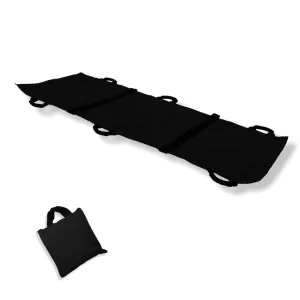
OTICA Nylon Foldable Soft Stretcher with Safety Belt, Emergency Medical Portable Stretcher for Patient, Foldable Patient Transport Stretcher with Handle with Carrying Bag (Black)
Original price was: $65.00.$47.50Current price is: $47.50. Add to cart -
Sale!
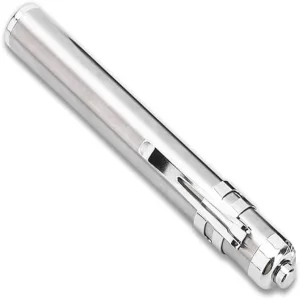
Pocket Pen Torch for Doctors – Nurses, Students – Bright Moon Torch for Clinics
Original price was: $60.50.$35.50Current price is: $35.50. Add to cart -
Sale!

Quick release Hook and loop Fastener Tourniquet Band (Pack of 2)
Original price was: $50.85.$36.70Current price is: $36.70. Add to cart -
Sale!

Rechargeable Blood Pressure Monitor | Upper Arm Cuff | Large LED Display | USB Power Support | Memory Storage | Portable Device For Home Use
Original price was: $98.65.$66.66Current price is: $66.66. Add to cart -
Sale!
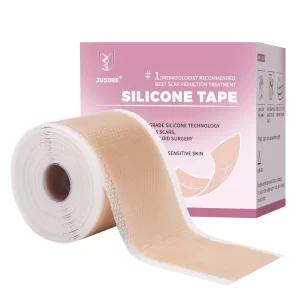
Silicone Scar Tape Scar Sheet – Upgrade Professional Medical Scar Removal Treatment, Non irritating, Painless for C-Section, Surgical Scars, Burn, Keloid, Acne(4cm x 150cm Roll)
Original price was: $70.75.$55.60Current price is: $55.60. Add to cart -
Sale!
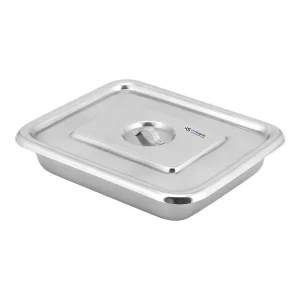
Stainless Steel with Cover Instrument Tray (With Lid) 8″ x 6″
Original price was: $55.80.$35.60Current price is: $35.60. Add to cart -
Sale!

Sunfox Spandan ECG 4.0 | Portable ECG Monitor | Home/Clinic Use | Portable ECG Machine | Medical Grade ECG Device | Heart Rate Monitor | 12 Lead ECG
Original price was: $240.50.$192.75Current price is: $192.75. Add to cart -
Sale!
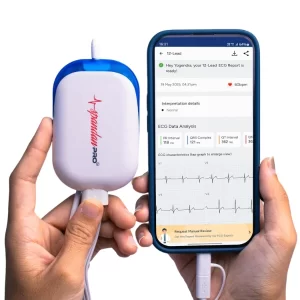
Sunfox Spandan Pro | Portable ECG Machine | Medical Grade 12 Lead ECG Monitor | Pocket ECG for Doctors | Spandan ECG Device for Clinic & Hospital | Multichannel Goldberger ECG System
Original price was: $550.00.$380.80Current price is: $380.80. Add to cart -
Sale!
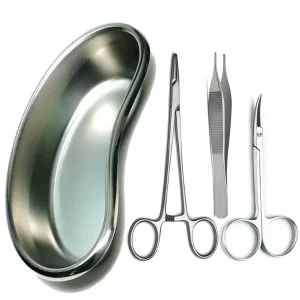
Surgical Instrument Set – CE Needle Holder, Adson Forceps, Iris Scissor with 8″ Kidney Tray – Stainless Steel Suturing Kit for Medical and Dental Procedures
Original price was: $75.85.$58.58Current price is: $58.58. Add to cart -
Sale!

Tata 1mg Contactless Infrared Thermometer | Forehead, Ear & Object Temperature | 1-Second Fast Reading | Fever Alarm | Backlit Display | Medical Device
Original price was: $70.00.$48.50Current price is: $48.50. Add to cart -
Sale!
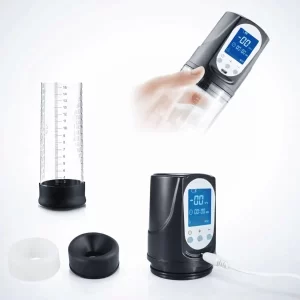
USB Vacuum Therapy Set with Digital Display
Original price was: $88.90.$63.50Current price is: $63.50. Add to cart
Medical Supplies Online | Konicamart
In today's fast-paced world, accessing medical supplies online is a game-changer. Konicamart offers a seamless shopping experience for healthcare professionals and individuals alike. With a vast selection of healthcare equipment and medical gear, Konicamart caters to diverse needs. From first aid kits to advanced medical devices, they have it all. Their platform is designed for ease of use, ensuring a hassle-free purchasing process. Customers can explore a wide range of clinical equipment and hospital supplies with just a few clicks.
Competitive pricing and reliable shipping make Konicamart a preferred choice for surgical supplies and health supplies. Discover the convenience and quality of medi-cal medical supplies at Konicamart today.
Why Choose Konicamart for Medical Supplies?
Konicamart stands out as a leader in the online medical supply market. Their commitment to quality and customer satisfaction is unmatched. With an extensive product range, they meet the demands of both individual and professional customers.
One of the key benefits of shopping at Konicamart is their diverse selection of products. Whether you need medical gear, healthcare equipment, or first aid kits, Konicamart has it covered. Plus, their products are sourced from reputable manufacturers, ensuring reliability and safety.
Reasons to Choose Konicamart:
- Competitive pricing on all medical supplies
- User-friendly website for easy navigation
- Secure payment options and fast shipping
Furthermore, Konicamart offers excellent customer service, with a dedicated team ready to assist with any inquiries. They also provide detailed product descriptions to help customers make informed decisions.
Wide Range of Healthcare Equipment and Medical Gear
At Konicamart, variety is a hallmark of their product lineup. They offer an impressive selection of healthcare equipment suited for various professional needs. From basic medical tools to advanced medical devices, there's something for everyone.
The extensive inventory ensures that you can find what your clinic or hospital requires. They cover everything from surgical supplies to emergency medical equipment. This abundance provides peace of mind, knowing you're fully prepared for any situation.
Available Products Include:
- Medical devices for diagnosis and monitoring
- Comprehensive surgical and hospital supplies
- Advanced healthcare tools and first aid kits
Konicamart not only ensures quality but also sustainability. The platform includes eco-friendly options, catering to environmentally conscious buyers. This way, you can make responsible choices without compromising on efficacy.
Moreover, their collaboration with leading brands guarantees access to the latest medical innovations. Staying updated with such trends is crucial for maintaining top-notch medical care standards.
Essential Medical Devices and Clinical Equipment
Konicamart excels in providing essential medical devices and clinical equipment. This includes everything from basic diagnostics to advanced technology for precise medical procedures. Their products cater to different medical fields, ensuring comprehensive care.
These devices and equipment meet industry standards, offering reliability for healthcare providers. Each product is detailed, with specifications to guide informed choices. Quality assurance is a top priority, supported by robust compliance checks.
Examples of Clinical Equipment:
- Diagnostic tools for accurate assessments
- Monitoring devices for ongoing patient care
- Advanced surgical instruments and apparatus
Innovation is a constant at Konicamart. The store continually updates its inventory to offer the newest advancements. This ensures that healthcare professionals are always equipped with the best available tools.
Hospital Supplies and Surgical Supplies for Every Need
Konicamart recognizes the diverse requirements of hospitals and surgical centers. Their collection of hospital supplies and surgical items is vast and varied. From routine essentials to specialized instruments, they ensure you find what you need.
Quality is paramount when it comes to surgical supplies. Konicamart sources products only from reputable manufacturers. Each item is designed to support safe and efficient surgical procedures.
Types of Surgical Supplies Available:
- Sterile gloves and masks
- Surgical gowns and drapes
- Essential surgical instruments
The platform's user-friendly interface simplifies the process of locating and purchasing supplies. With competitive pricing and reliable availability, Konicamart remains a preferred choice for healthcare facilities needing dependable solutions.
First Aid Kits and Health Supplies for Home and Workplace
First aid preparedness is essential for both homes and workplaces. Konicamart offers a variety of first aid kits tailored to different needs. These kits provide essential tools for immediate medical attention.
Each kit is thoughtfully assembled to address common injuries and emergencies. They include bandages, antiseptic wipes, and necessary medical gear. This diversity ensures that Konicamart meets your specific requirements.
Key Items in First Aid Kits:
- Bandages and gauze pads
- Antiseptic wipes and ointments
- Scissors and tweezers
Health supplies extend beyond first aid kits. Konicamart provides an array of products for everyday wellness. Their selection ensures you're prepared for any situation.
Benefits of Buying Medical Supplies Online at Konicamart
Shopping for medical supplies online offers unparalleled convenience. Konicamart makes the process simple and efficient. You can browse, select, and purchase from the comfort of your location.
Cost savings are another significant benefit. The online store provides competitive pricing on top-quality medical gear. This approach ensures that you receive value for your investment.
Additionally, the platform offers a wealth of product information and reviews. These resources help you make informed purchasing decisions. Access to detailed specifications ensures you choose the right products for your needs.
Advantages of Online Shopping at Konicamart:
- Convenient access to products
- Competitive prices on healthcare equipment
Top Medical Tools for Healthcare Professionals | Konicamart
Konicamart brings essential Medical Tools, medical supplies, and healthcare instruments into one practical shopping path for busy care environments. Whether you are stocking a clinic, refreshing a treatment room, or choosing diagnostic devices for everyday checks, this page helps you focus on the tools that support cleaner workflows, faster preparation, and confident patient-facing care.
What medical tools do healthcare professionals need most?
Healthcare professionals need dependable tools that match the care they provide every day: diagnostic devices for assessment, clinical supplies for routine tasks, surgical tools for procedural support, and medical equipment that keeps rooms ready for the next patient. The right selection reduces last-minute searching, supports consistent technique, and helps teams prepare for common patient needs without overcomplicating procurement.
For a small clinic, that may mean prioritizing blood pressure monitors, thermometers, pulse oximeters, examination supplies, and basic health tools. For a procedural setting, the focus may shift toward sterile clinical supplies, selected surgical tools, and healthcare tools that support setup, monitoring, and safe handling. Konicamart helps professionals think in categories, so purchasing becomes less reactive and more aligned with actual workflow.
Essential categories for everyday clinical readiness
Medical environments depend on more than one type of product. A consultation room, treatment bay, or mobile care kit works best when diagnostic, procedural, and support items are planned together. When one category is missing, staff may lose time, delay care steps, or rely on substitutes that are not ideal for the task.
Key categories to consider include:
- Diagnostic devices: Tools used for measuring, checking, screening, and recording patient information during routine encounters.
- Medical equipment: Larger or more durable items that support examinations, monitoring, treatment preparation, or room function.
- Healthcare instruments: Professional tools used directly in care tasks, assessments, and patient handling.
- Surgical tools: Procedure-focused instruments selected for the type of clinical work being performed.
- Clinical supplies: Consumable or frequently used items that help teams maintain hygiene, organization, and procedure readiness.
- Medical gadgets: Practical technology-led items that can support quick checks, portability, or more convenient use in busy settings.
- General medical supplies: The everyday stock that keeps a healthcare space functional between appointments and procedures.
Thinking this way turns ordering into a checklist rather than a scramble. It also makes it easier to identify what should be replenished often, what should be standardized across rooms, and what should be reviewed when your services change.
Better tools support better workflows
A healthcare tool is not just a product on a shelf. It affects how quickly a room is prepared, how smoothly a clinician moves through an assessment, and how consistently staff can follow familiar steps. When diagnostic devices are easy to access and appropriate for the setting, routine measurements become less disruptive for both the patient and the professional.
The same applies to medical supplies and healthcare instruments. A well-stocked room helps staff avoid interrupting appointments to search for basic items. A thoughtfully organized supply list also supports training, because new team members can learn one clear process instead of adapting to a different setup in every room.
A practical example is a clinic preparing for a full day of patient visits. If the team has working diagnostic devices, clean examination supplies, and accessible health tools ready before the first appointment, the day starts with fewer avoidable delays. If supplies are scattered or missing, the same routine checks take longer and the patient experience can feel less organized.
How to choose the right healthcare tools for your setting
The best medical tools are the ones that fit your care model, staff workflow, available space, and expected patient volume. A compact practice may value portable medical gadgets and versatile diagnostic devices, while a higher-volume setting may prioritize durable medical equipment and standardized clinical supplies across multiple rooms. The goal is not to buy every available item; it is to choose what your team will use correctly and consistently.
Before adding items to your supply list, consider:
- Primary use: Identify whether the tool supports diagnosis, examination, treatment, monitoring, preparation, or documentation.
- Care environment: Match the item to the room, clinic, mobile kit, or procedural area where it will actually be used.
- Frequency of use: Prioritize high-use medical supplies and health tools that affect daily patient flow.
- Staff familiarity: Choose healthcare instruments that fit the skill level and routines of the people using them.
- Storage and access: Plan where items will live so they are easy to find, protect, clean, or restock as appropriate.
- Replacement planning: Separate reusable medical equipment from consumable clinical supplies so inventory stays clear.
This approach helps prevent overbuying while still protecting readiness. It also creates a more useful purchasing standard for future orders, especially when multiple staff members are involved in maintaining stock.
Practical support for clinics, practices, and care teams
Konicamart is built for healthcare professionals who want a simpler way to explore Medical Tools and related categories without sorting through unrelated consumer products. The focus is practical: help teams identify relevant medical supplies, compare product categories, and build a dependable list of healthcare tools for their day-to-day work.
This is useful for professionals who are:
- Setting up a new consultation or treatment space
- Replacing worn or outdated healthcare instruments
- Reorganizing clinical supplies for smoother room turnover
- Adding diagnostic devices for routine patient checks
- Reviewing medical equipment needs before expanding services
- Creating a more consistent supply list for staff use
- Looking for medical gadgets that support practical, everyday care tasks
Instead of treating procurement as a one-time order, use Konicamart as a starting point for building a repeatable system. A clear system makes it easier to see what is missing, what is essential, and what can wait until your workflow truly requires it.
A smarter way to stock professional care spaces
Reliable care depends on preparation. When healthcare tools are selected with purpose, professionals can move from patient to patient with fewer interruptions and more confidence in the setup around them. That readiness comes from choosing the right mix of diagnostic devices, medical equipment, surgical tools, and clinical supplies for the services you provide.
Browse Konicamart to explore medical tools that support your professional environment. Start with the categories your team uses every day, then build outward toward specialized healthcare instruments and medical gadgets that make your workflow more complete.
Surgical Equipment | Konicamart Medical Equipments Supply
Choosing the right surgical equipment is about more than filling a supply room. It affects workflow, safety, preparation, cleaning, and the confidence of the people using each instrument. Konicamart helps buyers think through the essentials, from everyday surgical tools to specialized healthcare equipment, so every purchase supports real clinical needs.
What should you look for in surgical equipment?
Good surgical equipment should match the procedure, feel dependable in use, be easy to maintain, and fit the standards of the facility buying it. Whether you are sourcing medical instruments for a clinic, hospital, training center, or veterinary practice, the goal is to choose items that support precision, hygiene, and practical daily use. A well-planned selection also reduces last-minute searching, duplicated purchases, and mismatched surgical accessories.
When browsing by product category, Surgical Equipment should be viewed as a complete working system, not just a collection of individual items. Forceps, scissors, retractors, clamps, surgical kits, drapes, and cleaning solutions all play different roles, but they work together during preparation, procedure, and post-use care. Thinking this way makes it easier to build a reliable inventory.
Surgical tools and medical instruments form the foundation
The most familiar part of any surgical setup is the hand-held instrument set. These medical tools help clinicians grasp, cut, hold, retract, probe, and control tissue with accuracy. Even for general readers, it helps to understand that small design differences can matter: the shape of a tip, the grip of a handle, and the finish of the metal can all influence comfort and control.
Common surgical tools may include:
- Scissors and blades for cutting tissue, sutures, or dressings.
- Forceps and clamps for holding, grasping, or controlling small structures.
- Retractors for improving visibility in the surgical field.
- Needle holders for suturing with steadiness and control.
- Probes and specialty instruments for procedure-specific tasks.
For buyers, the practical question is not simply “What instruments are available?” It is “Which instruments will be used most often, by whom, and for what procedures?” A small outpatient clinic may need a different selection than a hospital department, dental unit, eye-care center, or veterinary facility.
Surgical kits make preparation more organized
Surgical kits are valuable because they group the necessary tools and accessories for a procedure or general use case. Instead of assembling every item one by one, staff can prepare more efficiently and reduce the risk of leaving something out. This is especially helpful in busy environments where consistency matters.
A kit may include selected surgical devices, hand instruments, drapes, and other surgical supplies depending on its intended purpose. Some kits are broad and general, while others are designed around a specialty. When choosing surgical kits, consider the procedure type, sterilization process, expected usage volume, and whether replacement parts or compatible accessories are easy to source.
The benefit is simple: organized equipment supports smoother preparation. It also helps newer staff understand what belongs together, which can make training and inventory checks more straightforward.
Specialized equipment supports specialized care
Not every procedure uses the same tools. Some settings require specialty categories such as ophthalmic surgical equipment, veterinary surgical equipment, or high frequency surgical equipment. These items are often selected with closer attention to procedure type, patient size, tissue sensitivity, and user training.
Ophthalmic surgical equipment, for example, is associated with delicate work around the eye, where visibility, fine control, and instrument refinement are important. Veterinary surgical equipment must support a wide range of animal sizes and treatment settings, from routine procedures to more complex interventions. High frequency surgical equipment may be used in procedures involving cutting or coagulation, depending on the device and clinical application.
For any specialized purchase, avoid guessing. Confirm compatibility, intended use, cleaning requirements, and staff familiarity before ordering. A device that looks impressive on paper is only useful if it fits the actual clinical environment.
Why do surgical accessories and drapes matter?
Surgical accessories and surgical equipment drapes matter because they help create a cleaner, more controlled, and better-organized procedure area. Drapes, covers, trays, holders, tubing, and other accessories may not attract as much attention as major surgical devices, but they support the safe and efficient use of those devices.
Think of accessories as the details that keep the procedure moving. A drape helps define the working area. A tray keeps instruments accessible. A compatible accessory helps a device function as intended. When these smaller items are missing, teams may lose time, improvise, or interrupt the flow of care.
A practical purchasing checklist includes:
- Procedure fit: Does the accessory match the intended procedure or equipment?
- Compatibility: Does it work with the surgical devices already in use?
- Handling: Is it easy for staff to open, place, adjust, or remove?
- Storage: Can it be stored clearly and safely without confusion?
- Reordering: Is it simple to identify and restock when supplies run low?
These questions help prevent common supply issues and keep purchasing decisions grounded in everyday workflow.
Cleaning and maintenance protect long-term value
A surgical equipment cleaner is an important part of equipment care. Instruments and devices need appropriate cleaning, handling, and storage to support hygiene and preserve function over time. The exact cleaning method should always follow the manufacturer’s instructions and the facility’s infection-control policies.
In practical terms, maintenance begins immediately after use. Instruments should be handled carefully, kept from unnecessary damage, and cleaned with products suited to the material and device type. Staff should also inspect medical instruments for wear, stiffness, corrosion, dull edges, loose parts, or other signs that an item may need servicing or replacement.
Good maintenance habits can support:
- More consistent instrument performance.
- Easier sterilization workflows.
- Fewer surprises during procedure preparation.
- Better control over replacement planning.
- Longer practical use from selected healthcare equipment.
Cleaning is not just a back-room task. It is part of the full surgical equipment lifecycle.
Building a smarter surgical supplies list
A strong surgical supplies list should reflect how your facility actually works. Start with the most common procedures, then map the instruments, accessories, drapes, cleaners, and replacement items needed for each one. This helps separate essential purchases from items that may be useful but are not immediately necessary.
It also helps to group supplies by function:
- Core medical tools used across many procedures.
- Specialty surgical devices for specific departments or services.
- Single-use or regularly replaced surgical accessories.
- Cleaning and care products for instrument maintenance.
- Backup items for high-use or critical tools.
This kind of planning makes ordering more intentional. Instead of reacting to shortages, buyers can maintain a balanced inventory that supports daily care without cluttering storage areas.
A practical approach to buying from Konicamart
When exploring surgical equipment through Konicamart, think in terms of purpose, compatibility, and long-term usability. The best choice is rarely just the item with the most features. It is the item that fits the procedure, supports the user, works with existing supplies, and can be cleaned and maintained properly.
Before purchasing, review the intended use, required accessories, cleaning guidance, and whether the item belongs in a general kit or a specialty category. If you are sourcing for multiple departments, involve the people who will actually use the instruments. Their feedback can reveal practical details that a product list alone may not show.
Key takeaway
Surgical equipment is a connected system of instruments, devices, accessories, drapes, cleaners, and supplies. When each item is chosen with care, the result is a more organized, practical, and dependable setup for clinical work. By focusing on real use cases and reliable product planning, buyers can build a surgical supply inventory that supports both everyday procedures and specialized care.