
A well-equipped Home Kitchen is not about owning every gadget on the market. It is about choosing dependable tools that make cooking easier, safer, cleaner, and more enjoyable, whether you are preparing weekday dinners or planning a full meal prep session. With the right kitchen essentials, thoughtful kitchen organization, and a few smart design choices, any home chef can create a space that works beautifully day after day.
What tools does every Home Kitchen really need?
Every Home Kitchen needs a balanced set of tools for cutting, cooking, measuring, mixing, storing, cleaning, and serving. The goal is to cover the tasks you perform most often without cluttering your drawers with single-use items. Start with durable basics, add tools that match your cooking style, and keep everything organized so the kitchen supports your routine instead of slowing it down.
Think of your kitchen as a workflow. Food comes in, gets stored, prepared, cooked, served, and cleaned up. When each stage has the right tools in the right place, cooking feels less like a chore and more like a natural rhythm.
The foundation: knives, boards, and prep tools
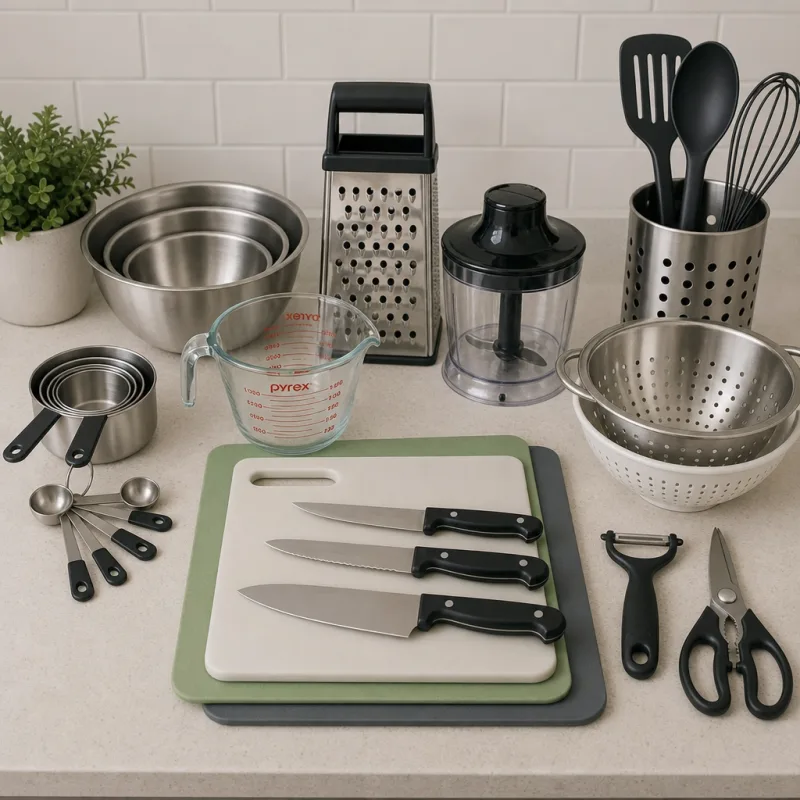
A good prep station is the heart of a practical kitchen. Before a pan touches the stove, you are usually washing produce, trimming ingredients, chopping herbs, or portioning protein. Investing in a few reliable prep tools can make meal prep faster and more consistent.
The most important item is a quality chef’s knife. You do not need a huge knife block if you have one comfortable, sharp knife that can handle vegetables, meat, herbs, and fruit. Add a paring knife for small work, such as peeling or trimming, and a serrated knife for bread, tomatoes, and delicate pastries.
Cutting boards matter just as much. Many home cooks prefer keeping separate cutting boards for produce and raw meat to reduce cross-contamination. Choose boards that are stable, easy to clean, and large enough to work comfortably. A board that slides around or feels cramped makes prep more difficult than it needs to be.
Useful prep tools include:
- A vegetable chopper or peeler for potatoes, carrots, apples, and citrus zest
- Kitchen shears for herbs, packaging, poultry, and quick trimming
- A box grater or microplane for cheese, garlic, ginger, and citrus
- Mixing bowls in several sizes for tossing, marinating, and organizing ingredients
- A colander or strainer for pasta, beans, grains, and washed produce
- Measuring cups and spoons for reliable results, especially in baking
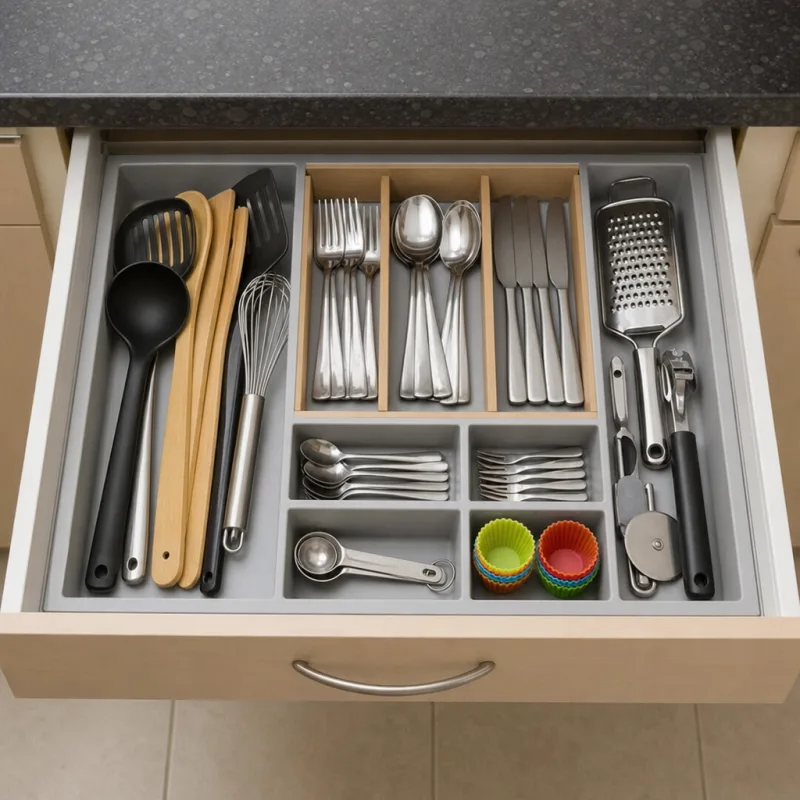
These basics are not flashy, but they carry a lot of weight. When they are easy to reach and simple to clean, you are more likely to cook from scratch and less likely to feel overwhelmed at dinnertime.
Cookware that earns its space
Cookware is one of the easiest categories to overbuy. A full cabinet of pans may look impressive, but many pieces end up unused because they duplicate the same function. A practical home chef can do a lot with a small, dependable cookware set.
A skillet is essential for sauteing vegetables, searing proteins, frying eggs, and reheating leftovers. A saucepan handles oatmeal, rice, soups, sauces, and small batches of pasta. A larger pot or stainless steel pot is ideal for stews, stocks, boiling pasta, and one-pot meals. A sheet pan is just as important because it supports roasting, baking, toasting, and batch cooking.
For many kitchens, these pieces cover everyday needs:
- Large skillet: Choose one with enough surface area to prevent overcrowding.
- Medium saucepan: Useful for grains, sauces, and reheating smaller portions.
- Large pot or Dutch oven: Best for soups, pasta, braises, and family meals.
- Sheet pans: Excellent for roasted vegetables, chicken, fish, cookies, and freezer prep.
- Baking dish: Helpful for casseroles, baked pasta, roasted sides, and desserts.
Material choice depends on preference and maintenance. Stainless steel is durable and versatile. Nonstick pans are convenient for eggs and delicate foods but need gentle utensils and care. Cast iron can retain heat well and develop a natural cooking surface over time, but it requires a little more attention.
Smart utensils for everyday cooking
Utensils are the tools you reach for repeatedly, so comfort and durability matter. A cluttered crock filled with duplicates can make cooking feel chaotic, while a focused set keeps your counter clean and your hands moving.
Start with a heat-safe spatula, wooden spoon, slotted spoon, ladle, whisk, tongs, and turner. These cover most stirring, flipping, serving, and sauce-making tasks. If you cook often, add a potato masher, pasta fork, basting brush, and fish spatula only if you genuinely use them.
Choose utensils that suit your cookware. Silicone utensils help protect nonstick surfaces. Stainless steel tongs are excellent for grilling, roasting, and tossing pasta. Wooden spoons are gentle, quiet, and comfortable for stirring soups, sauces, and sautes.
Small details can make a big difference. A utensil that is too short may expose your hand to heat. A flimsy spatula may bend under the weight of food. A whisk with a comfortable handle can make dressings, batters, and sauces easier to blend.
Tools that make meal prep easier
Meal prep is not only for people who cook a full week of meals in one afternoon. It can also mean chopping vegetables ahead of time, portioning snacks, cooking grains in batches, or preparing sauces that make weeknight dinners faster. The right tools help you do this efficiently.
Storage containers are the backbone of meal prep. Choose containers that stack neatly, seal well, and come in sizes you actually use. Clear containers make it easier to see what is inside, which helps reduce forgotten leftovers and duplicated ingredients.
A few meal prep-friendly tools include:
- Airtight containers for cooked grains, chopped produce, sauces, and leftovers—such as reusable zip-lock storage bags
- Freezer-safe bags or containers for soups, marinades, and batch-cooked meals
- Labels or removable tape for dates and contents
- A salad spinner for washed greens and herbs
- A kitchen scale for portioning, baking, or consistent recipes
- A blender or food processor for sauces, dips, smoothies, and chopped mixtures
If you are building your tool collection, browse a broad home and kitchen selection from Konicamart to compare practical options that fit your cooking habits and storage space.
The best meal prep tools save time without creating more cleanup. If a gadget takes longer to wash than it saves in prep, it may not deserve a permanent place in your kitchen.
Kitchen organization that supports better cooking
Kitchen organization is not about making the room look perfect. It is about reducing friction. When the things you use most are close at hand, you move faster, make fewer mistakes, and enjoy the process more.
Start by grouping items by task. Store knives near cutting boards, pots near the stove, storage containers near the fridge, and coffee or tea supplies together. This simple approach turns your kitchen into a series of work zones.
A practical organization checklist includes:
- Keep daily-use tools in the most accessible drawers and cabinets.
- Store rarely used items higher, lower, or farther away.
- Use kitchen storage hooks or drawer dividers to prevent utensils from tangling.
- Keep lids upright or nested so they do not take over a cabinet.
- Place spices where you can see labels quickly.
- Leave open counter space near the stove and sink.
- Review your tools twice a year and remove duplicates you never use.
Good organization also improves safety. Heavy pots are easier to lift from a lower cabinet than from a high shelf. Sharp tools are safer when stored securely instead of loose in a crowded drawer. Cleaning supplies should be separated from food and cookware, especially in busy family kitchens.
How do kitchen design and decor affect daily cooking?
Kitchen design and kitchen decor affect daily cooking by shaping how the space feels, flows, and functions. Good design supports movement between the sink, stove, refrigerator, and prep area, while thoughtful decor makes the room inviting without stealing valuable workspace. The best kitchens balance beauty with practical choices that make everyday tasks easier.
Lighting is one of the most important design elements. Overhead lighting brightens the room, but task lighting over counters helps with chopping, reading recipes, and checking food as it cooks. If your kitchen feels dim, better lighting may improve both comfort and safety.
Counter space is another major factor. Decorative items can add warmth, but too many objects on the counter make cooking harder. Keep only the items you use daily, such as a coffee maker, knife block, oil dispenser, or fruit bowl, and store occasional appliances away when possible.
Decor can still be personal and useful. A washable runner can add softness underfoot. Open shelving can display attractive dishes if it stays organized. A small herb pot near a sunny window can bring greenery and fresh flavor into the room.
Appliances and gadgets worth considering
Small appliances should solve real problems. The right appliance can make cooking easier, but too many can crowd cabinets and counters. Before buying one, ask how often you will use it, where it will live, and whether it replaces or duplicates something you already own.
A toaster, kettle, blender, food processor, slow cooker, rice cooker, or air fryer may be valuable depending on your habits. A home chef who makes smoothies daily may rely on a blender. Someone who cooks rice several times a week may appreciate a rice cooker. A busy household may get real value from a slow cooker for soups, stews, and hands-off meals.
Helpful questions before adding a gadget:
- Does it make a task faster, easier, or more consistent?
- Will I use it at least a few times a month?
- Do I have space to store it safely?
- Is it easy enough to clean after regular use?
- Does it fit the way I actually cook, not the way I imagine cooking?
If the answer is unclear, wait. The best kitchen essentials are the ones that support your real routine.
Cleaning tools belong on the essentials list
A functional kitchen is not complete without cleaning tools. Cooking creates crumbs, spills, grease, and dishes, and cleanup is much easier when supplies are ready before the mess begins. A clean kitchen also makes food preparation more pleasant and helps maintain your tools.
Keep dish soap, sponges or brushes, microfiber cloths, a drying rack, trash bags, and surface cleaner within easy reach. A scraper can help remove stuck-on food from pans and baking sheets. If you use cast iron, keep the appropriate cleaning tools nearby so maintenance feels simple.
Developing small habits makes cleanup easier. Wipe counters as you cook. Rinse measuring cups before ingredients dry on them. Load or wash dishes during natural pauses, such as while a pot simmers. These habits keep the kitchen from turning into a project after dinner.
Kitchen renovation choices that improve function
A kitchen renovation can be exciting, but even small updates should focus on how the room works. Beautiful finishes matter, yet storage, lighting, traffic flow, and durable surfaces often have the biggest impact on daily satisfaction.
If you are renovating, plan around your cooking patterns. A frequent baker may need a clear stretch of counter and easy access to measuring tools. A family kitchen may need durable flooring, deep drawers, and a landing zone for groceries. Someone who entertains may prioritize serving space, seating, or a better connection between the kitchen and dining area.
Functional renovation ideas include:
- Adding drawers instead of deep lower cabinets where items get lost
- Installing pull-out shelves for pots, pantry goods, or small appliances
- Improving task lighting over prep zones
- Choosing easy-clean surfaces for counters and backsplashes
- Creating a dedicated pantry area, even if it is compact
- Adding outlets where appliances are actually used
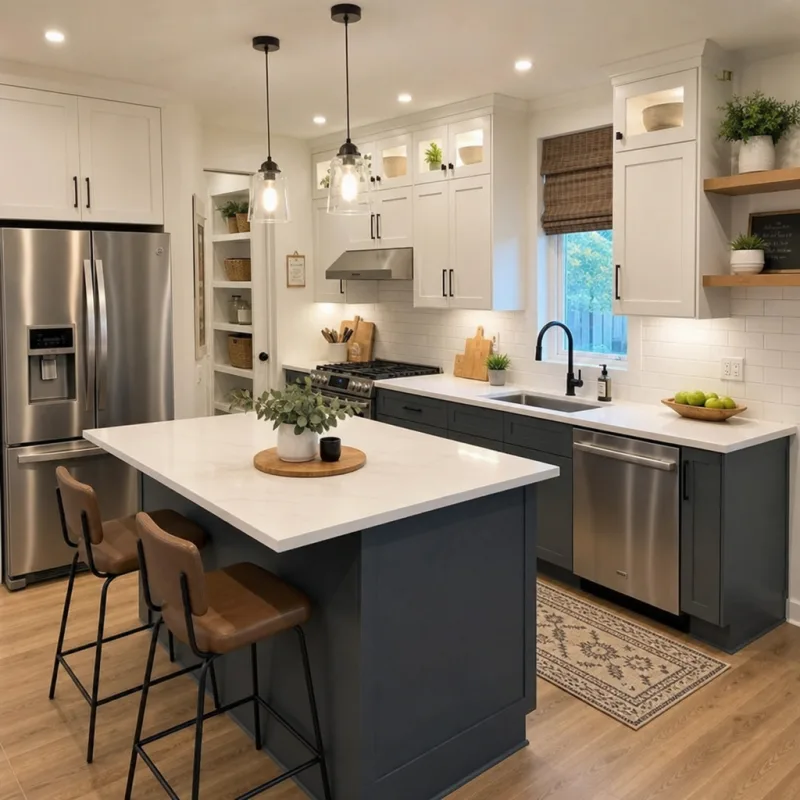
Even without a full remodel, smaller changes can help. Replace worn drawer organizers, add under-cabinet lighting, install hooks for frequently used tools, or upgrade storage containers. These improvements can make an older kitchen feel more efficient without changing its footprint.
A practical starter list of kitchen essentials
If you are setting up a kitchen from scratch or refreshing what you already own, focus on versatility first. It is better to have fewer reliable tools than many items that do only one thing.
A strong starter list includes:
- Chef’s knife, paring knife, and serrated knife
- Two cutting boards
- Mixing bowls and measuring tools
- Skillet, saucepan, large pot, sheet pan, and baking dish
- Spatula, spoon, whisk, tongs, ladle, and turner
- Colander, peeler, grater, and kitchen shears
- Food storage containers in practical sizes, such as zip-lock storage bags
- Dish cloths, brushes, and surface cleaner
- Trash, recycling, and food scrap solutions if needed
- Basic serving pieces for everyday meals
Build gradually from there. Notice where you struggle, what recipes you repeat, and which tools you borrow or improvise. That information is more useful than any trend-driven shopping list.
Frequently Asked Questions
What should I buy first for a new Home Kitchen? Start with the tools that support daily cooking: a chef’s knife, cutting board, skillet, saucepan, large pot, sheet pan, mixing bowls, measuring tools, utensils, and food storage containers. These items cover most basic meals and help you build confidence before adding specialty tools.
How can I improve kitchen organization without spending much? Begin by removing duplicates, relocating rarely used items, and grouping tools by task. Drawer dividers, labels, hooks, and clear containers can help, but the biggest improvement usually comes from keeping frequently used items easy to reach and clearing unnecessary objects from the counter.
Which tools are most useful for meal prep? A sharp knife, large cutting board, mixing bowls, sheet pans, airtight containers, labels, and a salad spinner are especially helpful. If you batch cook often, a large pot, freezer-safe containers, and a kitchen scale can also make the process more efficient.
How do I know if a kitchen gadget is worth buying? A gadget is worth buying if it solves a recurring problem, fits your available storage, is easy to clean, and matches how you already cook. If it only seems useful for one recipe or trend, it may become clutter.
The takeaway for a better everyday kitchen
The best Home Kitchen is not defined by the number of tools it holds. It is defined by how well those tools support the way you cook, clean, store, and gather. Start with dependable kitchen essentials, organize them around your routine, and make design choices that keep the space open, safe, and welcoming.
Whether you are planning a kitchen renovation, improving kitchen decor, or simply getting better at meal prep, focus on usefulness first. A thoughtful kitchen helps every home chef cook with more ease, waste less time searching for tools, and enjoy the everyday moments that happen around food.