
A beautiful room makeover does not always require a full renovation, a large budget, or a professional design team. With the right Home Decor choices, a clear plan, and a few practical styling rules, you can refresh your space in a way that feels polished, personal, and easy to live with. This guide walks you through smart decor ideas, modern decor updates, minimalist home decor essentials, and budget-friendly ways to create stylish interiors that work for everyday life.
Konicamart, a Home decor store, can be a helpful place to explore home accessories and practical styling pieces when you are planning a room refresh. The key is to shop with intention, choose items that serve your space, and build a look that feels cohesive instead of cluttered.
What makes a home decor makeover truly successful?
A successful home decor makeover improves how a room looks, feels, and functions without making the space harder to maintain. The best makeovers start with a clear purpose: maybe you want your living room to feel calmer, your bedroom to feel warmer, or your entryway to look more welcoming. Once you know the goal, every choice—from color to lighting to home accessories—becomes easier.
Many people begin with individual products they like, but strong interior design starts with the whole room. Think about how the room is used, where natural light enters, what furniture must stay, and which items currently create visual noise. A stunning makeover is not about buying more; it is about choosing better.
Before you shop, take a few photos of the room from different angles. Photos make it easier to notice what your eyes have learned to ignore, such as awkward empty corners, mismatched tones, or too many small items competing for attention. This simple step can prevent impulse purchases and help you create a more balanced final result.
Build your makeover around one clear style direction
A room feels stylish when its pieces look connected, even if they are not from the same set. That connection can come from color, texture, material, shape, or mood. For example, a soft cottage-inspired room might include warm wood, floral details, woven baskets, and cozy fabrics, while a modern decor scheme may use clean lines, sculptural lighting, neutral colors, and bold contrast.
You do not need to follow one design style perfectly. In fact, the most inviting homes often blend influences. The trick is to choose a main direction and let the other elements support it rather than fight it.
Useful style directions include:
- Minimalist and calm. Choose fewer pieces, simple shapes, soft neutrals, and plenty of breathing room. This works well for small apartments, bedrooms, home offices, and anyone who wants a low-maintenance space.
- Warm modern. Combine sleek silhouettes with cozy textures such as boucle, linen, wood, ceramic, and soft rugs. This is a great balance for people who like clean interiors but do not want the room to feel cold.
- Cottagecore inspired. Use botanical prints, curved forms, vintage-style accents, soft pastels, and layered textiles. Trends like aldi cottagecore home decor show how popular this cozy, nostalgic look has become, especially for kitchens, bedrooms, and reading corners.
- Classic and elegant. Focus on symmetry, timeless colors, quality-looking finishes, framed art, and refined lighting. This style works beautifully in dining areas, living rooms, and entryways.
- Eclectic and collected. Mix meaningful objects, art, travel-inspired accents, and varied textures. To keep it from looking random, repeat a few colors or materials throughout the room.
Start with color before buying new home accessories
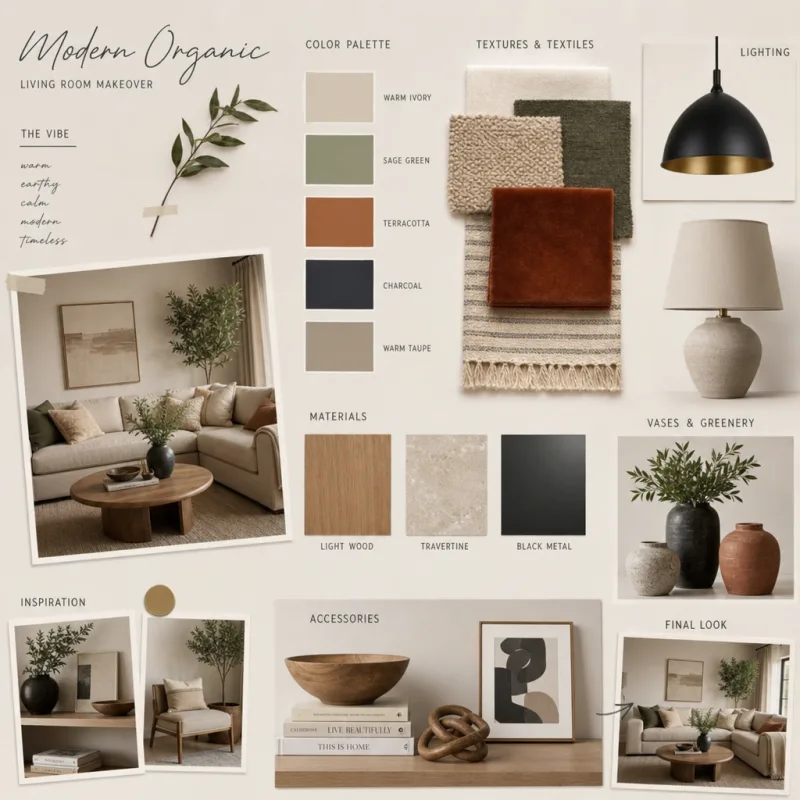
Color is one of the most powerful home styling tools because it affects the entire mood of a space. A room can feel bigger, softer, brighter, moodier, or more energetic based on the palette you choose. If your makeover feels confusing, your colors may be competing.
A simple approach is to choose:
- One main color for walls, large furniture, or the biggest visual area.
- One or two support colors for curtains, rugs, cushions, bedding, or storage.
- One accent color for smaller home accessories such as vases, frames, candles, or decorative bowls.
For a calm minimalist look, try warm white, beige, taupe, soft gray, clay, or muted green. For a modern look, consider black accents, deep brown, cream, brass, terracotta, or navy. For cottagecore-inspired decor ideas, use sage, butter yellow, dusty rose, powder blue, cream, and natural wood.
The mistake to avoid is adding too many accent colors at once. A bright cushion, a patterned rug, colorful artwork, and mixed metallics can all look great individually, but together they may create clutter. If you already own several bold items, let one piece lead and keep the rest quieter.
Use minimalist home decor essentials to create breathing room
Minimalist home decor essentials are not only for people who want bare rooms. They are the foundation pieces that help any space feel cleaner, more intentional, and more refined. When the basics are strong, seasonal decor and trend-led accents look better because they have room to stand out.
Start by removing anything that does not support the room’s purpose or style. Then add back items that are useful, beautiful, or meaningful. Minimalism is not about emptiness; it is about editing.
Core minimalist home decor essentials include:
- A simple rug that anchors the seating or sleeping area.
- Clean-lined storage to hide daily clutter.
- Neutral curtains that soften windows without overwhelming the room.
- A few larger decorative pieces instead of many tiny items.
- Functional lighting such as a floor lamp, table lamp, or wall light.
- Natural textures like wood, stone, ceramic, cotton, rattan, or linen.
- Negative space on shelves, walls, and surfaces so the room can breathe.
One of the easiest upgrades is to group small items into trays or baskets. A coffee table with five loose objects can look messy, but the same objects arranged on a tray can feel styled. This is a practical home styling trick because it improves the look of the room while making cleaning easier.
Create a focal point that guides the room
Every room benefits from a focal point. It gives the eye somewhere to land and helps the space feel organized. Without one, even attractive pieces can feel scattered.
Your focal point might already exist. In a living room, it could be a fireplace, media wall, large window, statement sofa, or artwork. In a bedroom, it is often the bed. In a dining room, it might be a pendant light or dining table centerpiece.
If the room does not have a strong focal point, create one with decor:
- Hang one large artwork instead of several small frames.
- Add a textured wall hanging above a bed or sofa.
- Style a console table with a mirror, lamp, and vase.
- Use a bold rug to define the room’s center.
- Place a sculptural floor lamp beside a reading chair.
- Add patterned cushions to a plain sofa.
The focal point should match the scale of the room. A tiny picture above a large sofa often looks unfinished, while oversized decor in a narrow hallway can feel cramped. When in doubt, go slightly larger with fewer items rather than filling the area with many small pieces.
How can you makeover a room on a budget?
You can makeover a room on a budget by reusing your strongest pieces, improving layout, changing textiles, updating lighting, and adding a few high-impact accessories instead of replacing everything. Economy home decor works best when you spend on the items that change the room’s mood most noticeably, such as rugs, curtains, cushions, mirrors, lamps, and wall art. Small changes can feel dramatic when they are coordinated.
Begin with what you already own. Move furniture away from walls if the room allows it, swap decor between rooms, remove pieces that feel dated, and restyle surfaces with fewer objects. Many makeovers look more expensive simply because the room has been edited and arranged with intention.
Budget-friendly makeover ideas include:
- Change cushion covers instead of buying new cushions. This is an easy way to shift color, texture, or season without wasting inserts you already own.
- Use mirrors to brighten the room. A well-placed mirror can reflect natural light and make an entryway, bedroom, or living room feel more open.
- Layer affordable textiles. Throws, curtains, table runners, and rugs can add warmth quickly. Choose fabrics that share a color family for a more polished effect.
- Upgrade lighting temperatures. Warm bulbs often make living spaces and bedrooms feel more comfortable, while brighter task lighting works better for kitchens, desks, and utility areas.
- Refresh frames and wall art. Replace old prints, paint frames, or create a small gallery wall with consistent spacing and matching tones.
- Style with plants or faux greenery. Greenery adds life and softness. Use pots that match your decor style for a more intentional finish.
- Shop with a focused list. Before visiting a Home decor store, note your room size, preferred colors, missing items, and budget. This helps you avoid buying pieces that do not fit.
For affordable home accessories and everyday decorating ideas, you can explore Konicamart, a Home decor store with products suited to practical room updates.
Layer texture for depth and comfort
Texture is what makes a room feel finished. Even a neutral space can look rich and inviting when it includes a mix of smooth, soft, rough, matte, glossy, and woven surfaces. Without texture, interiors can feel flat no matter how carefully the colors are chosen.
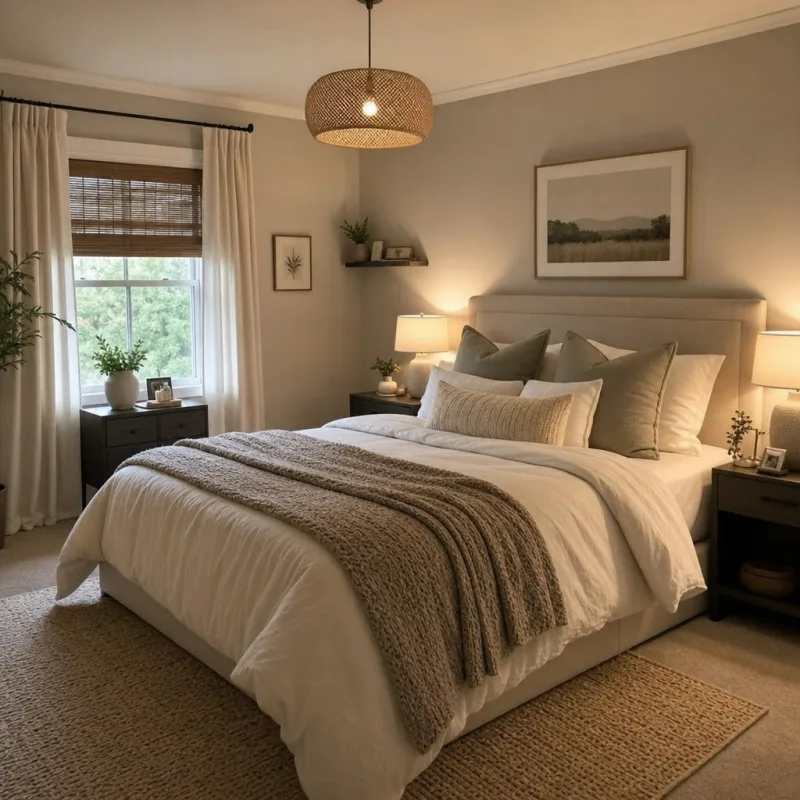
In a living room, texture can come from a woven rug, velvet cushions, ceramic vases, linen curtains, wood furniture, and a knitted throw. In a bedroom, combine cotton bedding with a quilt, upholstered headboard, rattan basket, and soft bedside lighting. In a kitchen, texture may appear through wood boards, stoneware, metal hardware, glass jars, and small plants.
The goal is not to use every texture possible. Choose two or three that work together. For example, modern decor often pairs smooth metal with warm wood and soft fabric. Cottagecore rooms may combine lace, florals, wicker, painted furniture, and aged finishes. Minimalist spaces rely on subtle texture, such as linen, matte ceramics, pale wood, and wool.
Texture also helps seasonal updates feel natural. You can keep the same furniture year-round and change only textiles or accessories. Light cotton and glass feel fresh in warmer months, while heavier throws, candles, and deeper tones add coziness when the weather cools.
Choose lighting that flatters your interiors
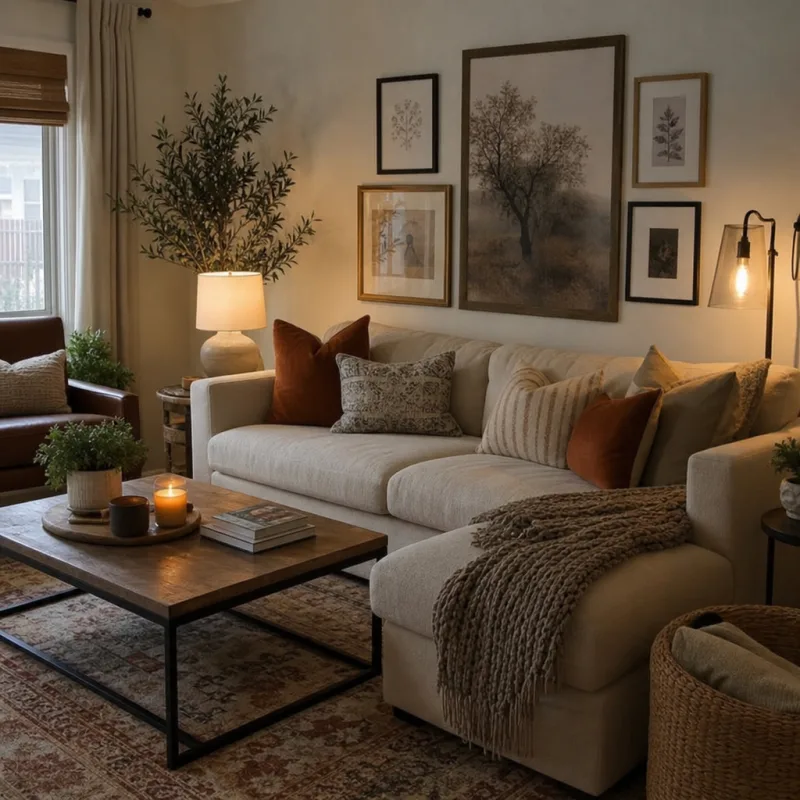
Lighting can make expensive decor look dull or modest decor look beautiful. A single overhead light rarely creates the most flattering atmosphere because it can cast harsh shadows and make the room feel flat. Better home styling uses layers of light.
Think in three levels:
- Ambient lighting for general brightness, such as ceiling fixtures or recessed lights.
- Task lighting for reading, cooking, working, or grooming.
- Accent lighting for mood, artwork, shelves, or architectural features.
In a living room, a ceiling fixture, floor lamp, and small table lamp can create a flexible setup. In a bedroom, bedside lamps or wall sconces soften the space and make the bed feel more inviting. In a dining area, a pendant above the table can act as both light source and focal point.
Pay attention to lamp height and shade style. A lamp that is too short beside a sofa may shine into your eyes, while a shade that is too dark may not give enough useful light. If your room feels unfinished even after adding decor, lighting may be the missing layer.
Make small rooms feel larger and more stylish
Small rooms can be beautiful when every item earns its place. The challenge is to avoid crowding the space while still giving it personality. This is where minimalist home decor essentials, smart storage, and scale awareness become especially useful.
Choose furniture with visible legs when possible, because it lets more floor show and can make the room feel lighter. Use wall-mounted shelves, slim console tables, nesting tables, or storage ottomans to add function without taking over the layout. Keep pathways clear so the room feels easy to move through.
Small-space decor ideas that work well include:
- Choose one large rug rather than several small mats.
- Hang curtains higher and wider than the window to create the feeling of height.
- Use mirrors opposite or near light sources.
- Pick a narrow color palette to reduce visual clutter.
- Add vertical storage instead of bulky horizontal furniture.
- Use baskets or boxes to hide practical items.
- Select fewer, larger accessories for shelves and tabletops.
Do not assume small rooms must be all white. Soft neutrals can help, but depth also matters. A small bedroom with warm beige walls, walnut tones, layered bedding, and one strong piece of art can feel more luxurious than a plain white room with no personality.
Style shelves, tables, and surfaces like a designer
Shelves and tabletops often reveal whether a room has been decorated thoughtfully. These surfaces collect daily life quickly, so they need both style and structure. The best approach is to combine practical storage with visual rhythm.
Use the rule of variation: mix tall, medium, and low items. A shelf with objects all the same height looks stiff, while varied heights guide the eye. Combine books, framed photos, bowls, candles, small plants, and sculptural objects, but leave open space around them.
A simple surface styling formula:
- Start with an anchor. Use a tray, stack of books, large bowl, lamp, vase, or framed piece.
- Add height. Include a tall vase, branch, candle holder, or lamp.
- Include something low. Try a dish, small box, candle, or decorative object.
- Bring in texture. Use ceramic, wood, glass, metal, woven material, or natural stone.
- Leave breathing room. Empty space makes the styled items feel intentional.
This approach works for coffee tables, bedside tables, open shelving, consoles, mantels, and dining sideboards. If the surface is used daily, keep decor easy to move. A beautiful table that cannot hold a cup of tea, laptop, or book may look good in photos but fail in real life.
Bring personality into modern decor
Modern decor is often associated with clean lines and simple shapes, but it should still feel personal. A room that follows every trend without reflecting your life can look polished yet forgettable. Personality is what turns a styled room into a home.
Add meaning through art, books, handmade pieces, travel finds, family photos, heirlooms, or colors that make you happy. The key is to present personal pieces with intention. Instead of spreading keepsakes across every surface, group them in one styled area or mix them with more neutral pieces.
For example, a modern living room can include a sleek sofa, simple rug, black floor lamp, and one colorful painting that sets the mood. A minimalist bedroom can still have a meaningful framed photo, a favorite ceramic vase, or a handmade throw. Cottagecore styling can include vintage-inspired pieces without becoming overly busy if the color palette stays controlled.
Stylish interiors are not built by copying a showroom exactly. They come from balancing function, beauty, comfort, and personality in a way that suits the people who live there.
Mix trends with timeless choices
Trends can be fun, especially when they inspire you to refresh a room you have stopped noticing. The challenge is knowing where to use them. Trend-led items work best in pieces that are easy to change, while timeless choices should guide your larger purchases.
Use trends for:
- Cushion covers
- Throws
- Candles
- Vases
- Small wall art
- Decorative trays
- Seasonal florals
- Table linens
- Accent colors
Use timeless thinking for:
- Sofas
- Dining tables
- Beds
- Wardrobes
- Large rugs
- Curtains
- Main lighting fixtures
- Storage furniture
This balance helps your home feel current without needing constant replacement. For example, if you love aldi cottagecore home decor inspiration, you might add floral cushions, a ruffled throw, or ceramic accessories rather than replacing all your furniture. If you prefer modern decor, try a sculptural vase, black metal lamp, or geometric mirror before committing to a full redesign.
When shopping, ask yourself whether you would still enjoy the item if it were not trending. If the answer is yes, it may deserve a place in your home. If not, choose a smaller or more affordable version.
Plan your room makeover step by step
A room makeover feels less overwhelming when you treat it like a sequence rather than a shopping trip. Start with the room’s purpose, then move toward layout, color, key pieces, and finishing touches. This helps you create a complete look instead of collecting unrelated items.
Follow this practical makeover checklist:
- Define the room goal. Decide whether you want the space to feel calmer, brighter, cozier, more elegant, more functional, or more modern.
- Clear and edit. Remove clutter, damaged items, duplicate decor, and pieces that no longer fit your style.
- Measure the space. Record wall lengths, window sizes, furniture dimensions, and awkward corners before buying anything.
- Choose a color palette. Pick a main color, support colors, and one accent tone.
- Set the focal point. Decide what should draw attention first, such as a bed, sofa, artwork, mirror, or dining table.
- Improve lighting. Add lamps or adjust bulbs so the room works during both day and evening.
- Layer textiles. Use rugs, curtains, cushions, throws, bedding, or table linens to add softness and comfort.
- Add accessories last. Choose home accessories that support the palette and purpose rather than filling empty space randomly.
- Step back and edit again. Live with the room for a few days, then remove or adjust anything that feels unnecessary.
This process works whether you are refreshing a single corner or planning a complete room makeover. It also helps you shop more confidently from a Home decor store like Konicamart because you know what you need before adding items to your cart.
Common home decor questions answered
Home decor decisions can feel personal, but a few practical answers make the process easier. These quick FAQs address common questions people ask when refreshing their spaces.
How often should I update my Home Decor? There is no fixed rule. Update your decor when the room no longer supports your lifestyle, feels visually cluttered, or no longer reflects your taste. Small seasonal updates can be enough, while larger changes are usually needed when furniture, storage, or layout stops working.
What is the easiest room to makeover first? Start with the room you use most or the one that bothers you every day. For many people, that is the bedroom, living room, or entryway. A smaller space can also be a good starting point because it builds confidence without requiring too many purchases.
How do I make economy home decor look expensive? Choose a limited color palette, avoid overcrowding, use larger accessories where possible, and focus on texture. Matching finishes, clean styling, and good lighting can make affordable pieces look far more elevated.
Can I mix modern decor with cottagecore pieces? Yes, as long as you create a shared color story or material connection. For example, pair a clean-lined sofa with floral cushions, a wood coffee table, and ceramic vases. The modern pieces keep the room fresh, while the cottagecore accents add softness and charm.
The finishing touches that make a makeover feel complete
Finishing touches should make the room feel intentional, not crowded. This is where small details matter: the way cushions are arranged, how a throw is folded, whether cords are hidden, and whether surfaces have enough open space. A finished room usually feels comfortable from the doorway and practical once you start using it.
Walk through the room and look for friction points. Is there a dark corner that needs a lamp? Does the sofa need softer cushions? Is the coffee table too cluttered? Does the wall above the bed feel empty? These small observations lead to better choices than buying random items because they are attractive.
Before calling the makeover complete, check the room against this final list:
- The color palette feels connected.
- The focal point is easy to identify.
- Lighting works for different times of day.
- Storage supports real daily habits.
- Textures add warmth and depth.
- Accessories are grouped, not scattered.
- There is enough empty space for the room to breathe.
- The decor reflects your personality, not only current trends.
A stunning home makeover is the result of thoughtful decisions, not endless spending. When you understand your space, edit what you own, and choose decor with purpose, even simple changes can create a room that feels fresh, stylish, and genuinely livable.