
A cat wagging its tail is not the same as a dog wagging its tail. In cats, tail motion can signal focus, irritation, excitement, uncertainty, playfulness, pain, or fear depending on the speed, height, stiffness, and situation. This guide breaks down common cat tail signals so you can respond in a way that keeps your cat comfortable, safe, and understood.
At Konicamart, a pet supplies store, we know many U.S. cat owners want practical, everyday guidance—not confusing behavior jargon. The goal here is simple: help you read your cat’s body language with more confidence.
What does a cat wagging his tail mean?
A cat wagging his tail usually means your cat is emotionally activated in some way, but the exact meaning depends on the full body posture and what is happening around them. A slow swish may show curiosity or concentration, while a fast, hard thump can mean irritation, overstimulation, or a warning to back off. If you have ever searched “what does a cat wagging his tail mean?” or “what is the meaning of cat wagging its tail,” the most accurate answer is: look at the tail together with the ears, eyes, whiskers, posture, and setting.
The biggest mistake is assuming all tail movement means happiness. Dogs often wag when they are socially excited, but cats use their tails in more layered ways. A wagging cat tail meaning can shift from “I’m interested” to “I’m annoyed” in seconds, especially during petting, play, grooming, or interactions with another pet.
The main tail movement meanings cat owners should know
Understanding cat tails gets easier when you notice patterns. The tail is one part of a larger communication system, but it is often one of the clearest visual clues. Pay attention to the speed, shape, and rhythm of the movement.
Common tail movement meanings include:
- Slow side-to-side swish: Your cat may be watching something, thinking, hunting, or deciding what to do next. This is common when a cat stares at a toy, bird, bug, or moving shadow.
- Fast whipping tail: This often means irritation, overstimulation, or rising frustration. If you are petting your cat, this may be your cue to stop.
- Tail tip twitching: A small twitch at the end of the tail may signal focus, mild excitement, or alertness. It often appears during play or window watching.
- Low tail flicking: A low, tense tail that flicks or lashes may show anxiety, defensiveness, or discomfort.
- Puffed tail: A puffed-up tail usually means fear, surprise, or defensive arousal. Your cat is trying to look larger.
- Upright tail with a soft curve: This is often a friendly, confident greeting, especially when paired with relaxed ears and soft eyes.
- Tail wrapped around the body: Your cat may be resting, conserving warmth, feeling unsure, or creating a small protective boundary.
These signs are not rigid rules. A playful kitten, a senior cat, and a shy rescue cat may all use their tails differently. The meaning of cat wagging tail behavior becomes clearer when you compare it with your cat’s normal habits.
Cat wagging tail side to side meaning in everyday situations
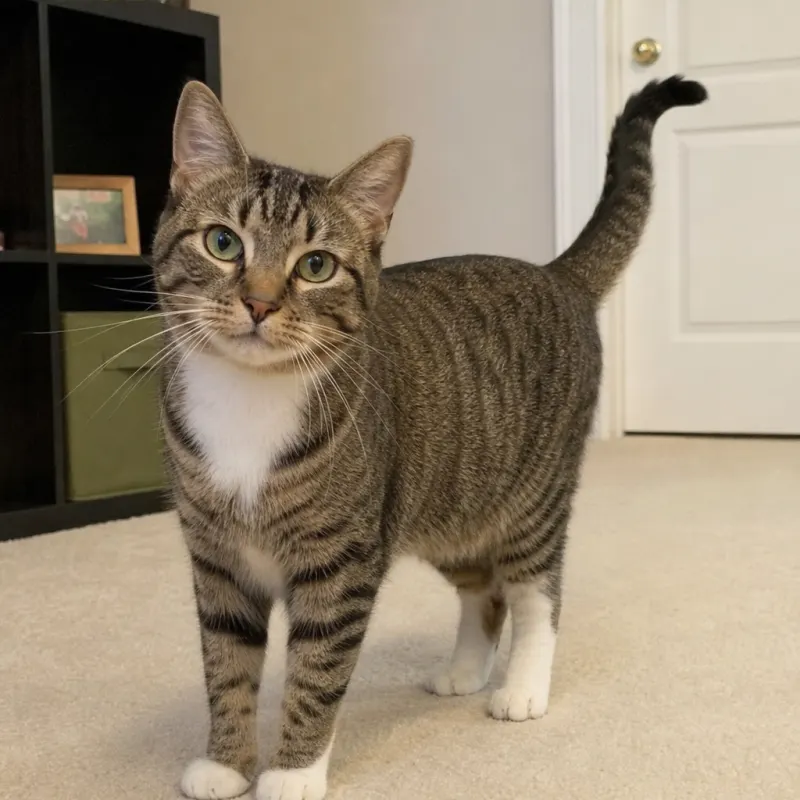
The cat wagging tail side to side meaning is usually tied to attention, decision-making, or irritation. A loose, slow sway can mean your cat is interested in something. A stiff, rapid side-to-side lash usually means your cat is unhappy, overstimulated, or preparing to leave, swat, hiss, or bite.
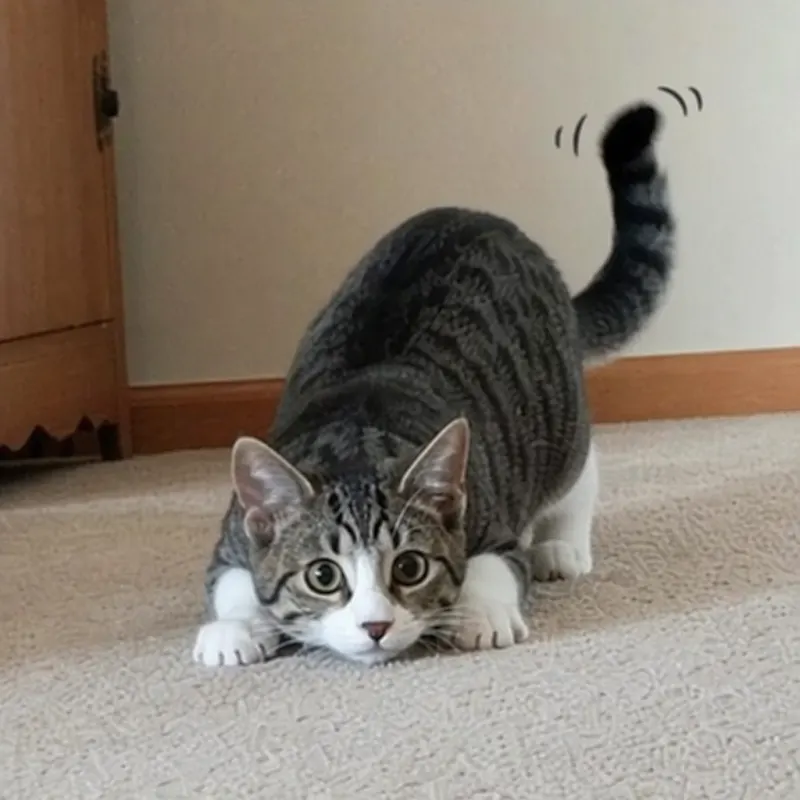
Context matters. If your cat is crouched near a toy with bright eyes and a moving tail, they may be in hunting mode. If your cat is lying on your lap while the tail begins to slap against your leg, they may be telling you the petting session has gone on long enough. If the tail is moving while your cat stares at another cat, dog, or guest, it may show tension rather than friendliness.
A practical way to read side-to-side tail movement is to ask what changed right before it started. Did you touch a sensitive area? Did another pet enter the room? Did a loud sound happen outside? Did play become too intense? Those details tell you whether the cat tail wagging meaning is playful, curious, annoyed, or defensive.
The whole body tells the real story
Tail wagging signs become much clearer when you combine them with other signals. A tail by itself gives you a clue; the full body gives you the message. This is especially important in multi-pet homes, homes with children, or households where guests may not understand feline boundaries.
Look for these supporting signals:
- Ears: Forward ears may show interest. Flattened or sideways ears can mean fear, irritation, or defensive tension.
- Eyes: Soft blinking often suggests comfort. Wide pupils may signal excitement, fear, play drive, or stress depending on the setting.
- Whiskers: Relaxed whiskers sit naturally. Forward whiskers may show curiosity or hunting focus. Pulled-back whiskers may show worry.
- Posture: A loose body usually means calmness. A stiff, crouched, or arched body means your cat is more alert or uncomfortable.
- Vocalization: Purring can happen when a cat is relaxed, but some cats also purr when stressed. Growling, hissing, or yowling should be treated as clear warnings.
For example, a cat with an upright tail, relaxed body, and soft eyes may be greeting you. A cat with a low tail, flattened ears, and a quick lash is likely asking for space. This is why the tail wagging cat meaning cannot be separated from the rest of the cat.
Why cats wag their tails during petting
Many owners notice tail movement during cuddling and wonder if it means their cat is enjoying the attention. Sometimes it does, but often it means the cat is reaching their limit. Cats can like petting and still become overstimulated, especially if the touch is repetitive, too firm, or focused on areas they dislike.
Watch for a gradual change. Your cat may start relaxed, then begin twitching the tail tip, shifting weight, turning the head toward your hand, or flattening the ears slightly. If the tail starts thumping, pause. Giving your cat a break before they feel forced to bite or swat helps build trust.
A helpful petting routine looks like this:
- Offer your hand and let your cat choose whether to approach.
- Pet preferred areas, often the cheeks, chin, or top of the head.
- Stop after a few seconds and see if your cat asks for more.
- Avoid holding your cat in place if they try to move away.
- End the interaction when the tail becomes tense, fast, or forceful.
This simple “pause and check” method respects your cat’s boundaries. It also teaches children and guests that affection should be invited, not forced.
Tail wagging during play, hunting, and window watching
A twitching or swishing tail during play is often normal. Cats are predators by nature, and their bodies become highly focused when they track movement. You may see the tail tip twitch before a pounce, or the whole tail sweep slowly while your cat calculates distance and timing.
This type of cat wagging tail meaning is usually linked to concentration and excitement. The cat may not be angry; they may be mentally locked onto a toy mouse, feather wand, or squirrel outside the window. Their muscles tense, eyes sharpen, and the tail becomes part of the targeting system.
To keep play healthy, use toys that create distance between your hands and your cat’s teeth or claws. Wand toys, rolling balls, tunnels, and puzzle feeders can help satisfy hunting instincts safely. Konicamart carries pet supplies that support active indoor routines, which can be especially helpful for cats who need more stimulation in apartments, condos, or busy family homes.
When tail wagging may signal stress, fear, or pain
Sometimes cat tail wagging meaning points to discomfort rather than mood alone. If a normally relaxed cat suddenly lashes the tail when touched near the back, hips, belly, or tail base, they may be sore. If tail movement appears with hiding, reduced appetite, aggression, litter box changes, limping, or unusual vocalizing, it is wise to contact a veterinarian.
Stress can also show up through the tail. A cat may flick or lash the tail when exposed to loud noises, unfamiliar guests, a new pet, moving boxes, construction sounds, or changes in routine. In the United States, many indoor cats live in highly stimulating environments with TVs, delivery sounds, children’s activities, and neighborhood noise. Some cats adapt easily; others need quiet zones and predictable routines.
Create a calmer space by offering:
- A covered or elevated resting spot
- Easy access to fresh water and litter boxes
- Scratching surfaces in social areas
- Safe hiding places where no one reaches in to grab them
- Vertical space such as cat trees or shelves
- Daily play sessions followed by food or rest
If tail lashing comes with clear distress, do not punish your cat. Punishment can increase fear and make the behavior worse. Instead, reduce pressure, give space, and seek veterinary or qualified behavior guidance if the pattern continues.
How should you respond to a wagging cat tail?
You should respond to a wagging cat tail by slowing down, checking the full body language, and giving your cat more choice. If the tail is loose and your cat looks playful, redirect that energy into a toy. If the tail is stiff, fast, low, or thumping, stop touching, step back, and let your cat decide what happens next.
A good response is calm and practical. Cats do not usually benefit from being scolded for communicating. Tail movement is information. When you listen to it early, you can prevent scratches, bites, stress, and damaged trust.
Use this quick checklist:
- Pause: Stop petting, picking up, or approaching.
- Observe: Check ears, eyes, whiskers, posture, and vocal sounds.
- Create space: Let your cat leave without being followed.
- Redirect: If the energy is playful, offer a toy instead of your hands.
- Adjust the environment: Reduce noise, separate pets, or provide a quiet room if needed.
- Track patterns: Notice whether tail wagging happens during grooming, meals, litter box visits, or touch.
- Call a vet when needed: Sudden behavior changes, pain signs, or aggression deserve professional attention.
This approach helps you move from guessing to understanding. Over time, you will learn your cat’s personal version of each signal.
Common myths about cats and tail wagging
One common myth is that a wagging tail always means a happy cat. That idea often comes from dog behavior, but cats are different. A cat can wag, flick, or lash the tail while feeling curious, playful, annoyed, anxious, or physically uncomfortable.
Another myth is that a purring cat with a moving tail must be content. Many cats do purr when they are happy, but purring can also happen during stress or discomfort. If the tail is thumping and the body is tense, do not rely on the purr alone.
A third myth is that cats are “unpredictable.” In reality, cats often give several warnings before they scratch or bite. People simply miss the small signs: the tail tip twitch, the skin ripple, the head turn, the ear shift, the stiffening body. Learning these signals makes cats feel less mysterious and much easier to live with.
The takeaway for understanding cat tails
The meaning of cat wagging tail behavior depends on movement, speed, body language, and context. A soft tail twitch may show focus or play, while a fast lash or heavy thump often means irritation, stress, or a need for space. When you read the whole cat instead of one signal, you can respond more kindly and avoid pushing them past their comfort zone.
If you are building a more cat-friendly home, focus on choice, enrichment, safe resting places, and respectful handling. A trusted pet supplies store like Konicamart can help you choose toys, scratchers, and comfort items that support your cat’s daily needs while you keep learning their unique communication style.