
Dogs wag their tails to communicate emotion, intention, and social information—not simply to say they are happy. A wag can show excitement, friendliness, uncertainty, stress, or even warning, depending on the dog’s whole body. Understanding dog tail behavior helps you respond more safely and kindly, whether you are greeting your own pet, meeting a new dog, or noticing movement during sleep.
Why do dogs wag their tails?
Dogs wag their tails because the tail is part of canine communication. It works like a visible signal that helps other dogs and people read mood, arousal, and social intent. The simple answer to “why do dogs wag their tails?” is that a wag is one piece of dog body language, and its meaning changes with speed, height, stiffness, direction, and the rest of the dog’s posture.
A relaxed, loose wag usually looks very different from a tight, fast wag. One may say, “I’m comfortable and interested,” while the other may say, “I’m highly alert, conflicted, or overstimulated.” This is why the wagging tail meaning is best read in context rather than as a single universal sign.
People often ask why dogs wag because tail movement is easy to notice. But dogs also communicate with their ears, eyes, mouth, weight shift, breathing, and distance from whatever they are focused on. The tail may be the headline, but the full body is the story.
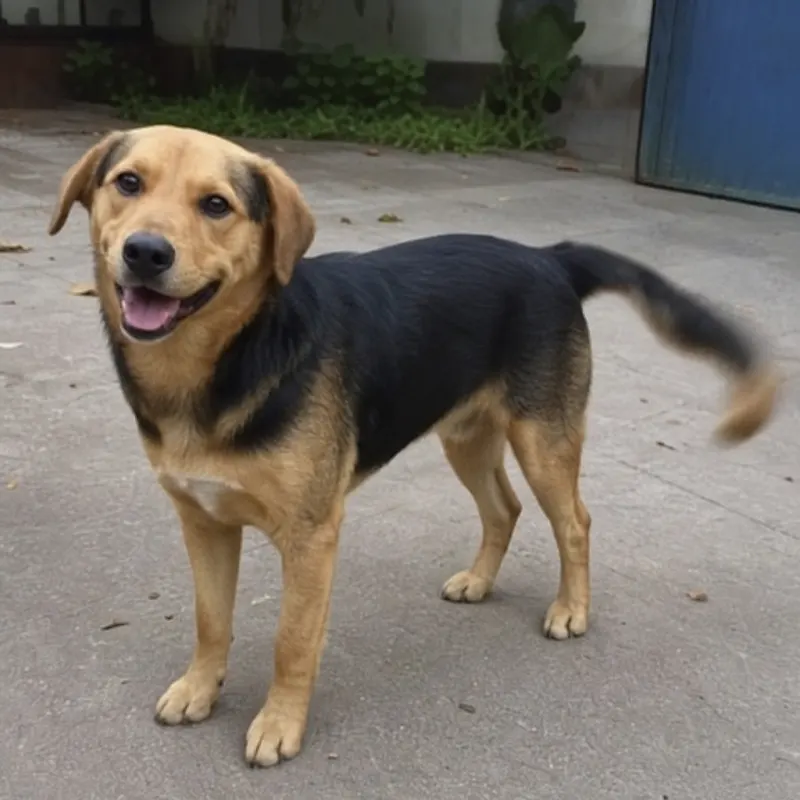
Tail wagging is communication, not a mood label
A dog’s tail is connected to emotional arousal. That means wagging often happens when a dog feels something strongly, not only when that feeling is joyful. Excitement, anticipation, nervousness, frustration, curiosity, and social tension can all produce movement.
This is where dog emotions explained in simple terms can help. A happy dog may wag because they are pleased to see you. A worried dog may wag because they are unsure and trying to decide what to do. A dog guarding a toy may wag stiffly because they are alert and emotionally charged.
Think of tail signals dogs use as “information in motion.” The tail can show whether a dog wants to approach, pause, retreat, play, investigate, or create space. When you learn to read those signals, you stop assuming every wag is an invitation.
For everyday pet parents, this matters during walks, introductions, vet visits, grooming, and play. A dog that is wagging while leaning away, licking their lips, or freezing may need more distance, not more attention.
The most common tail positions and what they suggest
Tail position is one of the quickest clues to a dog’s emotional state. However, breed and natural tail shape matter. A greyhound, husky, pug, beagle, and shepherd may all carry their tails differently, so compare the dog’s tail to their own normal baseline.
Use these general patterns as a guide:
- Loose, mid-height wag: Often suggests comfort, friendliness, or relaxed interest. The dog’s body may look soft, with a gently open mouth and easy movement.
- Broad, sweeping wag: Often seen during happy greetings or playful moments. The hips may wiggle too, especially in dogs that are excited to see familiar people.
- High, stiff wag: Can suggest alertness, confidence, tension, or possible challenge. If the body is still and the stare is hard, give the dog space.
- Low wag: May indicate uncertainty, appeasement, or cautious friendliness. The dog might want interaction but still feel unsure.
- Tail tucked or held very low: Often points to fear, stress, discomfort, or submission. Avoid crowding the dog or forcing contact.
- Still tail with rigid body: A lack of wagging can be important too. Stillness may signal intense focus, discomfort, or a need for caution.
The key is to avoid translating one tail position into one fixed emotion. Dog tail behavior is flexible. The same wag can mean different things depending on the setting, the trigger, and what the rest of the body is doing.
Why do dogs wag their tails when happy?
Dogs wag their tails when happy because positive excitement activates their body and makes social signals more visible. When a dog is pleased to see someone, ready to play, or anticipating something good, the tail often moves in a loose, rhythmic way. This is the classic answer to “why do dogs wag their tails when happy,” but it still depends on the dog’s full posture.
A genuinely happy wag usually comes with softness. The dog may have relaxed eyes, a wiggly body, a slightly open mouth, and curved movement rather than stiffness. They may approach willingly, pause comfortably, and check in with you instead of charging forward with tension.
This is also why people search for “why do dogs wag their tails when they re happy.” The happy wag is real, but it is not the only wag. A dog can be happy and wag, but a wagging dog is not automatically happy.
For example, a dog greeting their favorite person at the door may show a whole-body wag, loose shoulders, and playful bouncing. Another dog at a crowded park may wag quickly while holding their body tight and avoiding eye contact. Both tails are moving, but the emotional messages are different.
Fast, slow, loose, and stiff wags mean different things
Speed can give useful clues, but it should never be read alone. A fast wag usually means high arousal. That arousal might be joyful, but it can also be anxious, frustrated, or intense.
A slow wag may show uncertainty, careful evaluation, or mild interest. The dog might be deciding whether to approach or stay back. If the slow wag is paired with a lowered body and soft eyes, it may be cautious friendliness. If it comes with a hard stare and stiffness, it may be a warning sign.
The quality of the wag matters just as much as the speed:
- Loose wags are usually safer signals. A tail that moves with the hips or whole rear body often suggests the dog is more relaxed.
- Stiff wags deserve caution. A tail that moves like a tight metronome can suggest tension or conflict.
- Tiny tip wags can mean focus. A dog staring at a squirrel, toy, or unfamiliar dog may move only the tail tip while staying very still.
- Circular “helicopter” wags are often joyful. Many dogs show this during enthusiastic greetings with trusted people.
If you are unsure, slow down. Turn your body slightly sideways, avoid leaning over the dog, and let the dog choose whether to come closer.
Reading the whole dog prevents misunderstandings
Tail signals dogs give are most useful when combined with the rest of the body. A wagging tail with loose muscles and playful movement is different from a wagging tail with a closed mouth, pinned ears, and a frozen stance.
Look for clusters of signals instead of one sign. A relaxed dog may have soft eyes, neutral ears, a curved body, and easy breathing. A stressed dog may yawn, pant when it is not hot, lick their lips, turn away, show the whites of their eyes, or shift weight backward.
Here is a practical checklist for reading dog body language before you interact:
- Body: Is the dog loose and wiggly, or stiff and still?
- Weight: Is the dog leaning toward you, away from you, or frozen in place?
- Face: Are the eyes soft, squinty, hard, wide, or avoiding contact?
- Mouth: Is the mouth relaxed, tightly closed, panting, or showing tension?
- Ears: Are they neutral for that breed, pinned back, or sharply forward?
- Tail: Is the wag loose, low, high, tucked, slow, fast, broad, or tight?
- Choice: Does the dog have room to move away if they want to?
This checklist is especially helpful for children, guests, and anyone meeting a dog for the first time. It encourages respectful interaction instead of assuming affection is welcome.
Why do dogs wag their tails in their sleep?
Dogs may wag their tails in their sleep because they are dreaming, processing experiences, or moving during a normal sleep cycle. The same answer applies to “why do dogs wag their tails when sleeping”: small twitches, paw movements, soft sounds, and tail wags can happen while a dog rests. In most cases, it is simply part of sleeping behavior and does not require intervention.
A sleeping dog may be dreaming about play, running, greeting someone, or responding to remembered sensations. Since dogs experience active sleep phases, movement can appear even when they are not awake. A gentle tail wag during sleep may look sweet, but it does not always tell you exactly what the dream is about.
Let sleeping dogs rest unless they seem in danger or are having repeated distress episodes that concern you. Avoid waking a dog suddenly, especially by touching their face or body, because startled dogs may react before they are fully aware. If you need to wake them, use your voice from a safe distance.
If sleep movements become unusually intense, frequent, or paired with other health concerns, speak with a veterinarian. It is always better to ask a professional than to guess when behavior changes suddenly.
Tail wagging during greetings and social moments
Greetings are one of the most common times people notice wagging. Your dog may wag when you come home, when they meet a favorite neighbor, or when they see another dog across the street. This can be friendly, but it can also be overstimulating.
A polite greeting should include choice and space. Let the dog approach rather than reaching over them. If the dog sniffs and moves away, respect that. If they stay close with a loose body, they may be open to gentle interaction.
When dogs greet each other, tail movement can help signal confidence, curiosity, caution, or excitement. But dog-to-dog greetings can change quickly if one dog is too intense or trapped on a tight leash. Watch for stiffness, high tails, direct staring, raised hackles, or one dog trying to escape.
Good pet supplies can support calmer greetings. A comfortable harness, secure leash, treat pouch, and enrichment toys can make daily routines easier. As a pet supply store, konicamart can be part of that practical setup by helping pet parents choose everyday items that support safe walks, training sessions, and relaxed home life.
When a wagging tail does not mean “pet me”
One of the biggest misconceptions in canine communication is that a wagging dog wants touch. Many dogs wag while they are evaluating a situation, asking for distance, or feeling conflicted. If you reach in too quickly, the dog may feel cornered.
Before petting, try a consent-based approach:
- Pause a few feet away. Let the dog notice you without pressure.
- Turn slightly sideways. This is less confrontational than facing them directly.
- Invite, don’t invade. Pat your leg or speak softly, then wait.
- Pet briefly if they approach loosely. Try the chest or shoulder rather than the top of the head.
- Stop after a few seconds. If the dog nudges back in, they may want more. If they turn away, let them go.
This simple routine protects both people and dogs. It also teaches children that animals have preferences and boundaries.
Breed, tail shape, and individual history matter
Not all tails are equally expressive. Some dogs have naturally curled tails, short tails, docked tails, or thick coats that make movement harder to see. Others may have had injuries or experiences that affect how they carry themselves.
Because of this, you should learn your own dog’s baseline. Notice how their tail looks when they are relaxed at home, excited before a walk, unsure at the vet, or tired after play. Over time, you will recognize their normal range.
Individual personality matters too. Some dogs are dramatic tail-waggers, while others are subtle. A reserved dog may show happiness with a small wag and soft eyes. A highly social dog may wag with their whole body. Neither is better; they are simply different styles of expression.
This is where everyday observation becomes powerful. The more you watch your dog in calm moments, the easier it is to understand them in busy or stressful moments.
Practical ways to respond to different tail signals
Reading the signal is only half the skill. The next step is responding in a way that helps the dog feel safe and understood. Your goal is not to control every wag, but to adjust the environment when the message suggests stress, excitement, or uncertainty.
Try these practical responses:
- Relaxed, loose wag: Continue calmly. Reward polite behavior with attention, praise, or a treat if appropriate.
- Excited, bouncy wag: Lower your energy. Ask for a simple behavior your dog knows, such as sitting or touching your hand.
- Low, uncertain wag: Give space and time. Avoid pushing the dog toward people, objects, or other animals.
- High, stiff wag: Pause interaction. Increase distance and avoid direct staring or sudden movement.
- Tucked tail with tiny wag: Treat this as fear or discomfort. Let the dog retreat and reduce pressure immediately.
- Sleep wagging: Usually do nothing. Let the dog rest unless there is a safety or health concern.
Training and enrichment can also improve communication. Puzzle toys, calm walking gear, chew items, and reward-based training tools give dogs healthy outlets for energy and help reduce frustration. As a pet supply store, konicamart fits naturally into this part of pet care by offering supplies that can support daily routines, comfort, and positive engagement.
Common myths about wagging tails
Tail wagging is so familiar that myths spread easily. Clearing them up can make interactions safer and more respectful.
- Myth: A wagging tail always means a friendly dog. Reality: A wag can signal friendliness, but it can also signal tension, anxiety, or alertness.
- Myth: A fast wag always means happiness. Reality: Fast movement means high arousal, and arousal can be positive or negative.
- Myth: A tucked tail means the dog is guilty. Reality: A tucked tail usually suggests fear, stress, or appeasement, not a human-style sense of guilt.
- Myth: Dogs should tolerate petting if they wag first. Reality: A wag is not automatic consent. Dogs still need space and choice.
- Myth: All breeds use tails the same way. Reality: Tail shape, size, coat, and natural carriage change how signals appear.
These myths matter because they influence how people behave around dogs. Better interpretation leads to fewer stressful greetings, better training choices, and stronger trust.
Helping your dog feel understood
Your dog’s tail is a helpful guide, but your response shapes the relationship. When you notice a loose wag, you can enjoy the connection. When you notice a worried wag, you can slow down. When you see a stiff wag, you can create space before the moment escalates.
This is the practical heart of canine communication: observation, patience, and respect. You do not need to become a behavior expert overnight. Start by watching your dog during familiar routines and naming what you see without jumping to conclusions.
For example, instead of saying, “He’s fine because he’s wagging,” try, “His tail is moving, but his body is stiff and he’s leaning away.” That small shift helps you make better choices. It also helps your dog learn that you listen.
Pet parents can pair that awareness with the right home setup. A quiet rest area, comfortable walking equipment, safe toys, and reward-friendly supplies all support calmer behavior. As a pet supply store, konicamart can be a helpful resource for choosing practical items that fit your dog’s daily needs.
Key takeaways
A wagging tail is communication, not a guaranteed sign of happiness. Dogs wag when they are excited, social, uncertain, stressed, playful, alert, or dreaming. The meaning depends on the tail’s height, speed, looseness, and direction, but even more on the dog’s whole body.
If you remember one thing, remember this: read the entire dog before you respond. A soft body and loose wag often invite friendly interaction, while a stiff body and tight wag call for caution. By understanding wagging tail meaning in context, you can make your dog feel safer, improve everyday handling, and build a more trusting relationship.